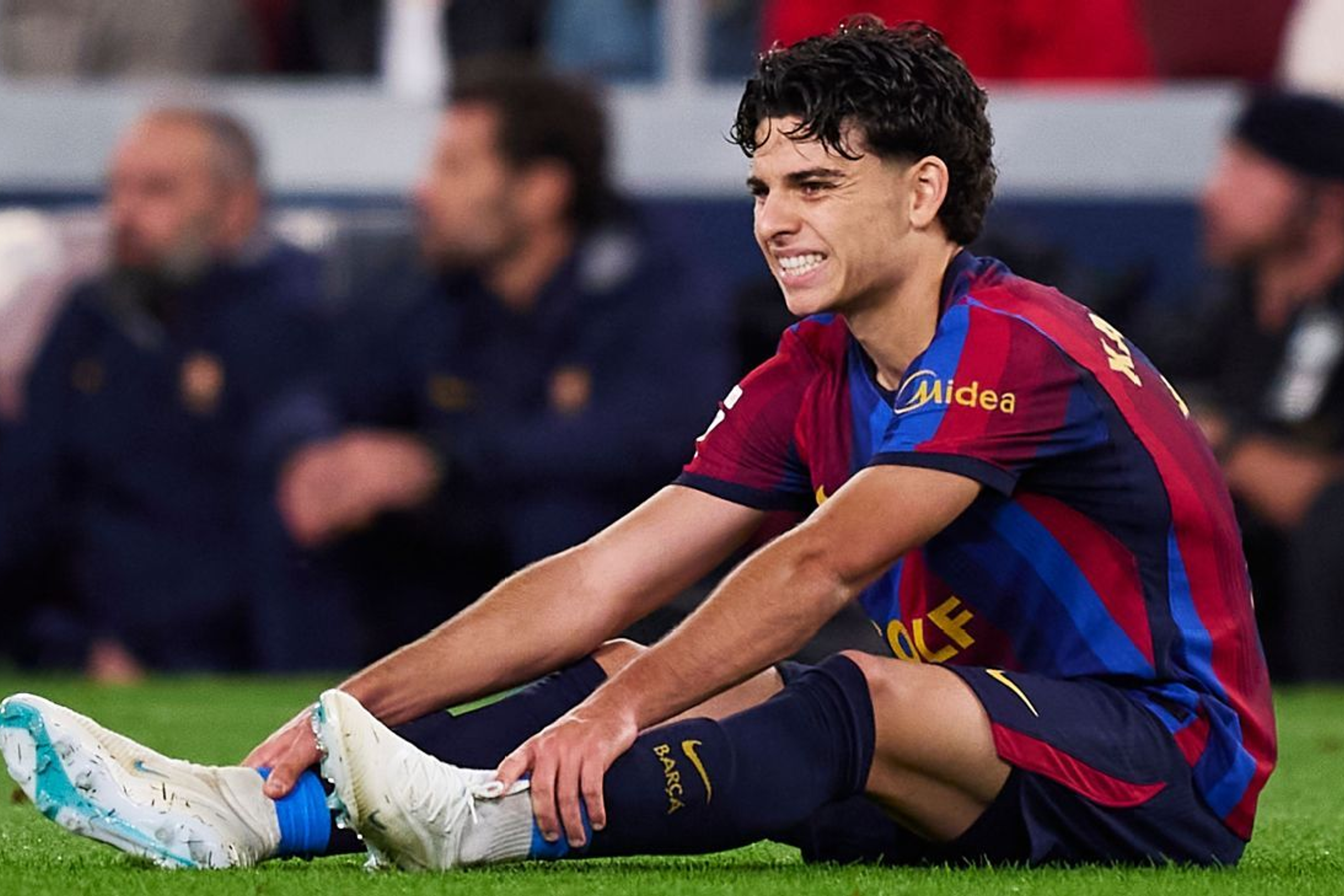
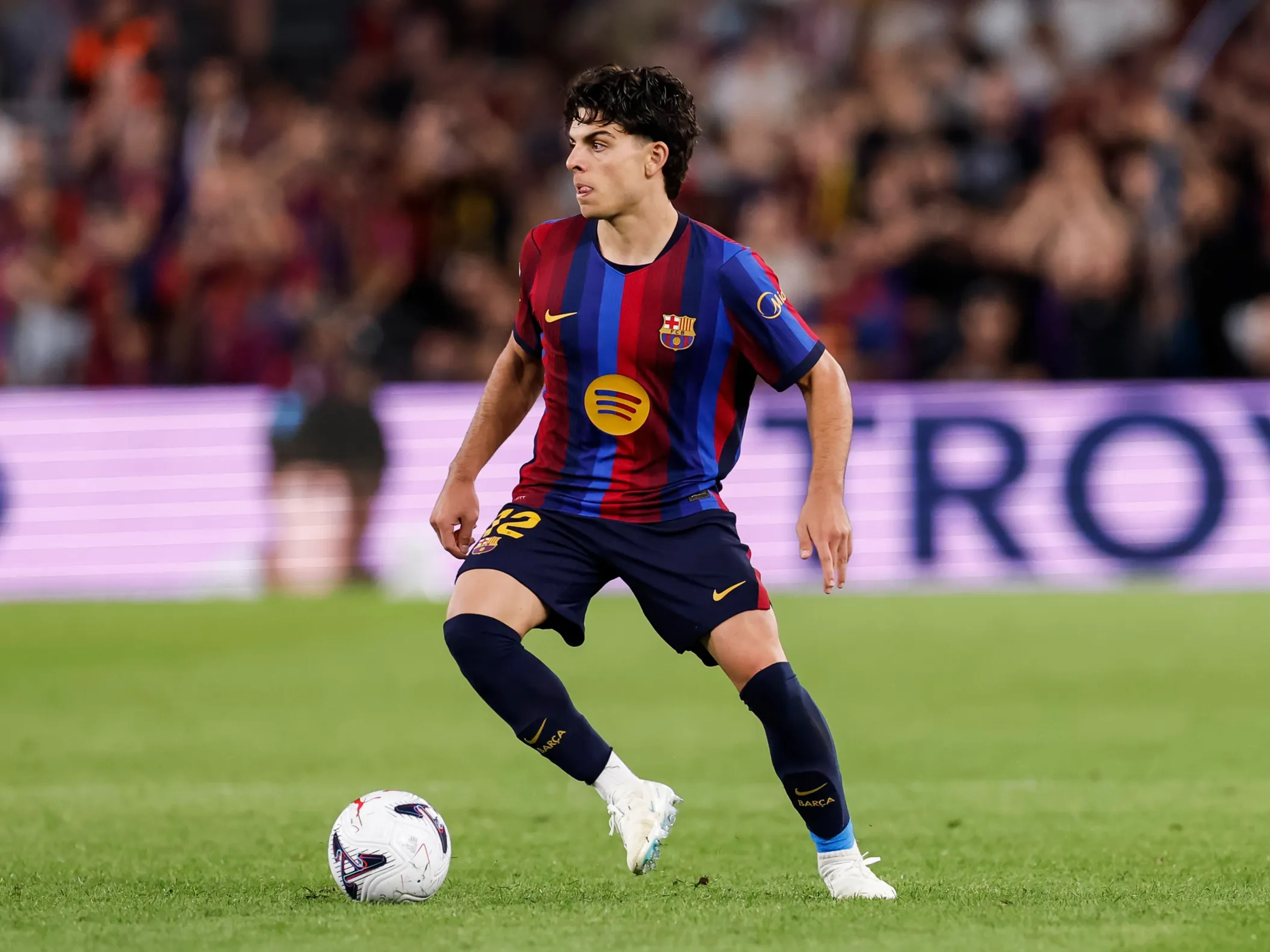
Xavi Espart has been one of the bright spots of Barcelona’s season. The 19 year old La Masia product began the campaign at left back, and with Jules Koundé and Eric García injured, Hansi Flick had turned to him on the right side as well.
He started there again in Sunday’s Clásico against Real Madrid at Spotify Camp Nou.
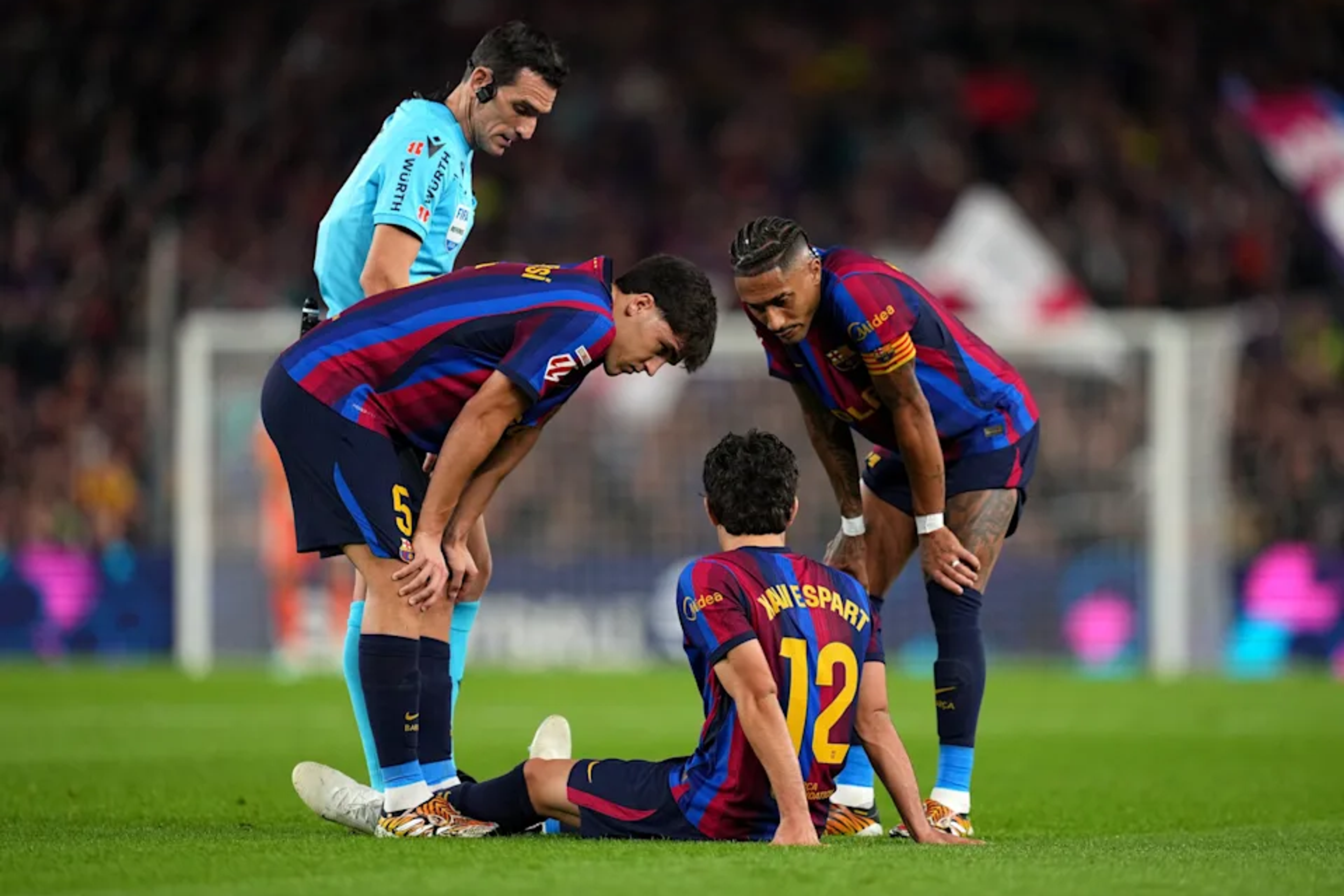
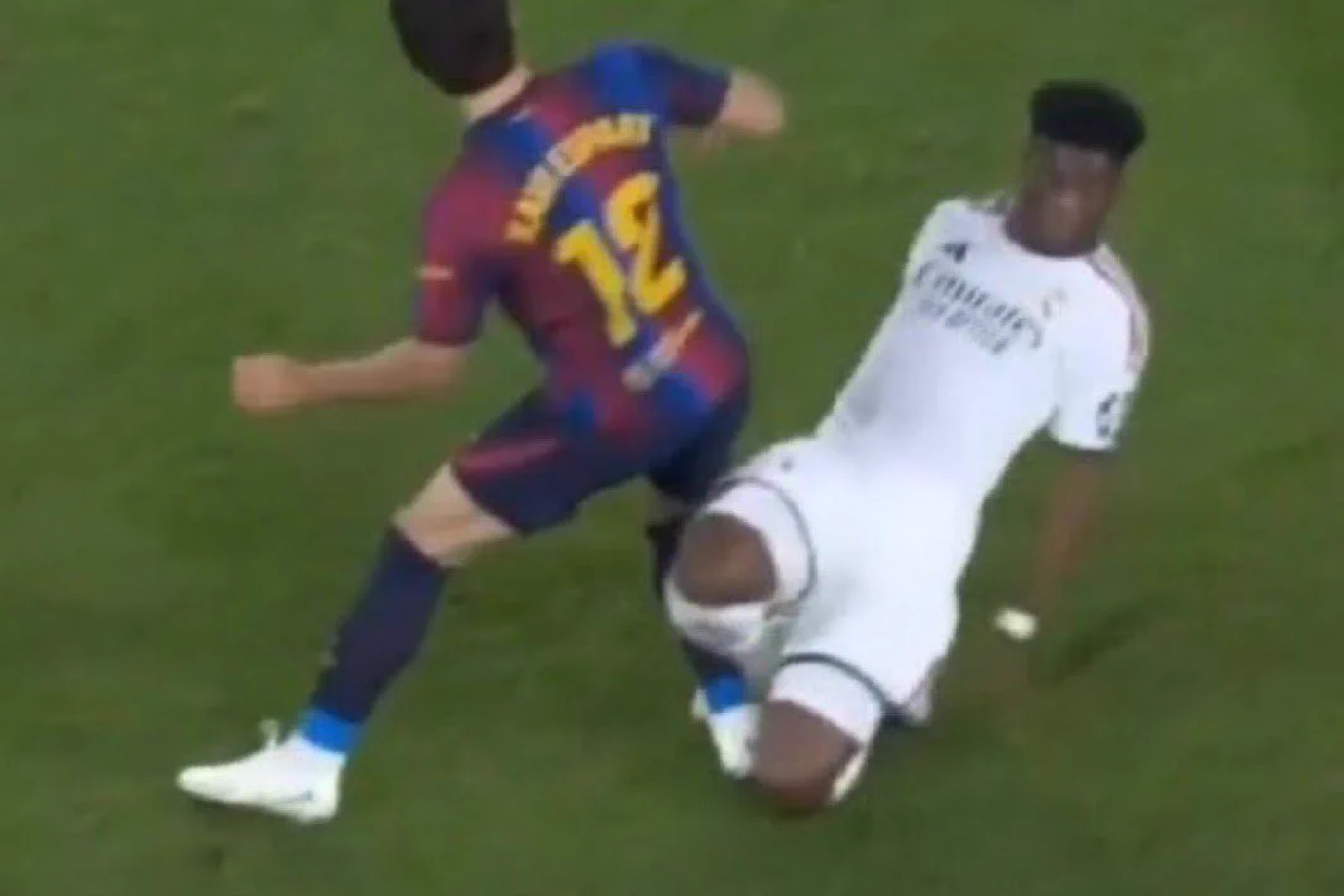
Around ten minutes in, Espart was caught on the ankle in a challenge with Real Madrid midfielder Aurélien Tchouaméni. He tried to play on, but in the 29th minute he went down again and was replaced by Alejandro Balde, with João Cancelo moving across to right back.
On Monday, after tests at the club’s training ground, Barcelona confirmed the diagnosis: an injury to the syndesmosis of the right ankle, caused by a traumatic action with an opposing player. The estimated time out is approximately seven weeks.
So what exactly is the syndesmosis, why does this injury take longer to recover from than a normal ankle sprain, and when could Espart be back?
What is the syndesmosis?
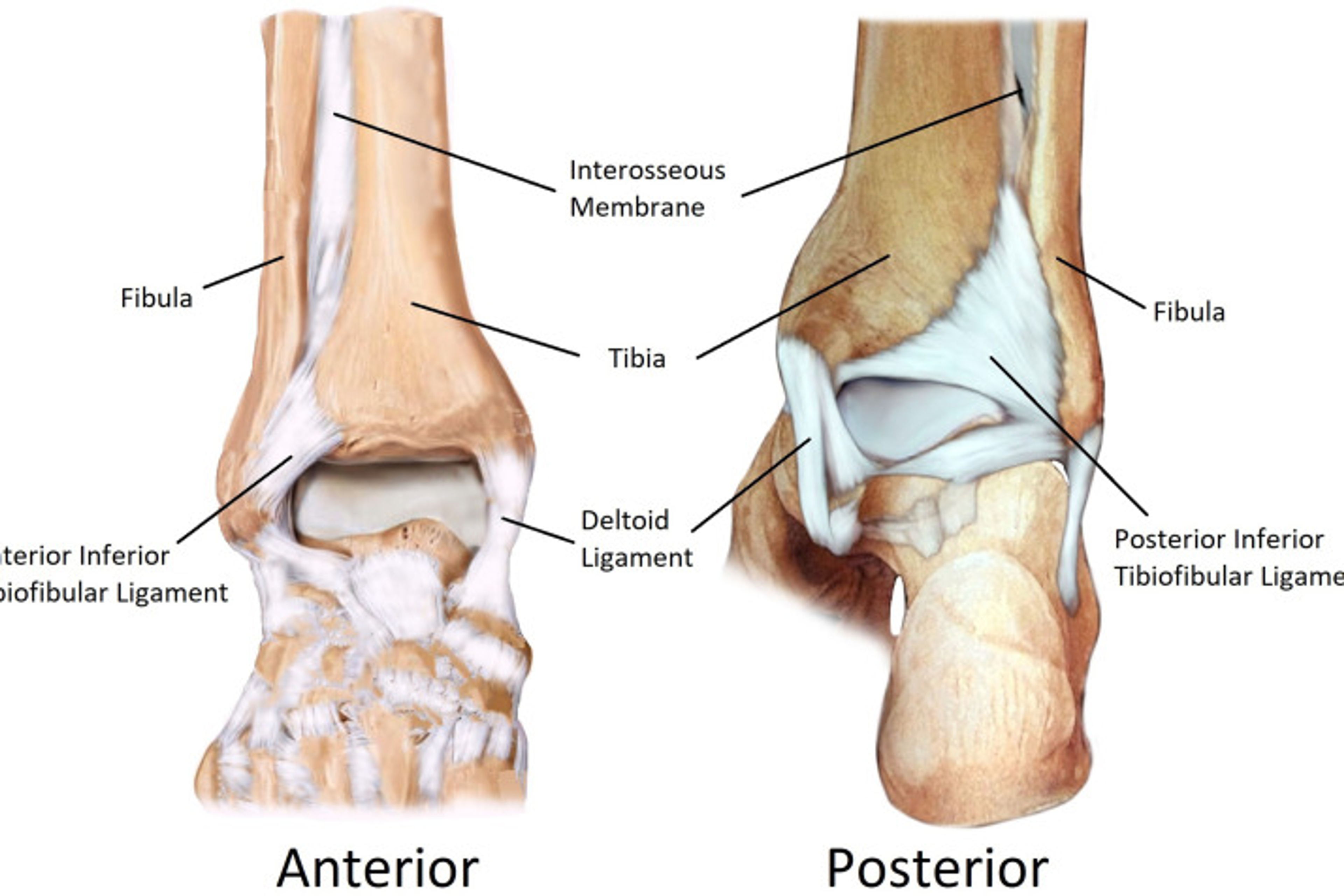
The lower leg has two bones: the tibia, or shin bone, and the thinner fibula on the outside. At the ankle, the ends of these two bones form a socket that holds the talus, the bone that connects the leg to the foot.
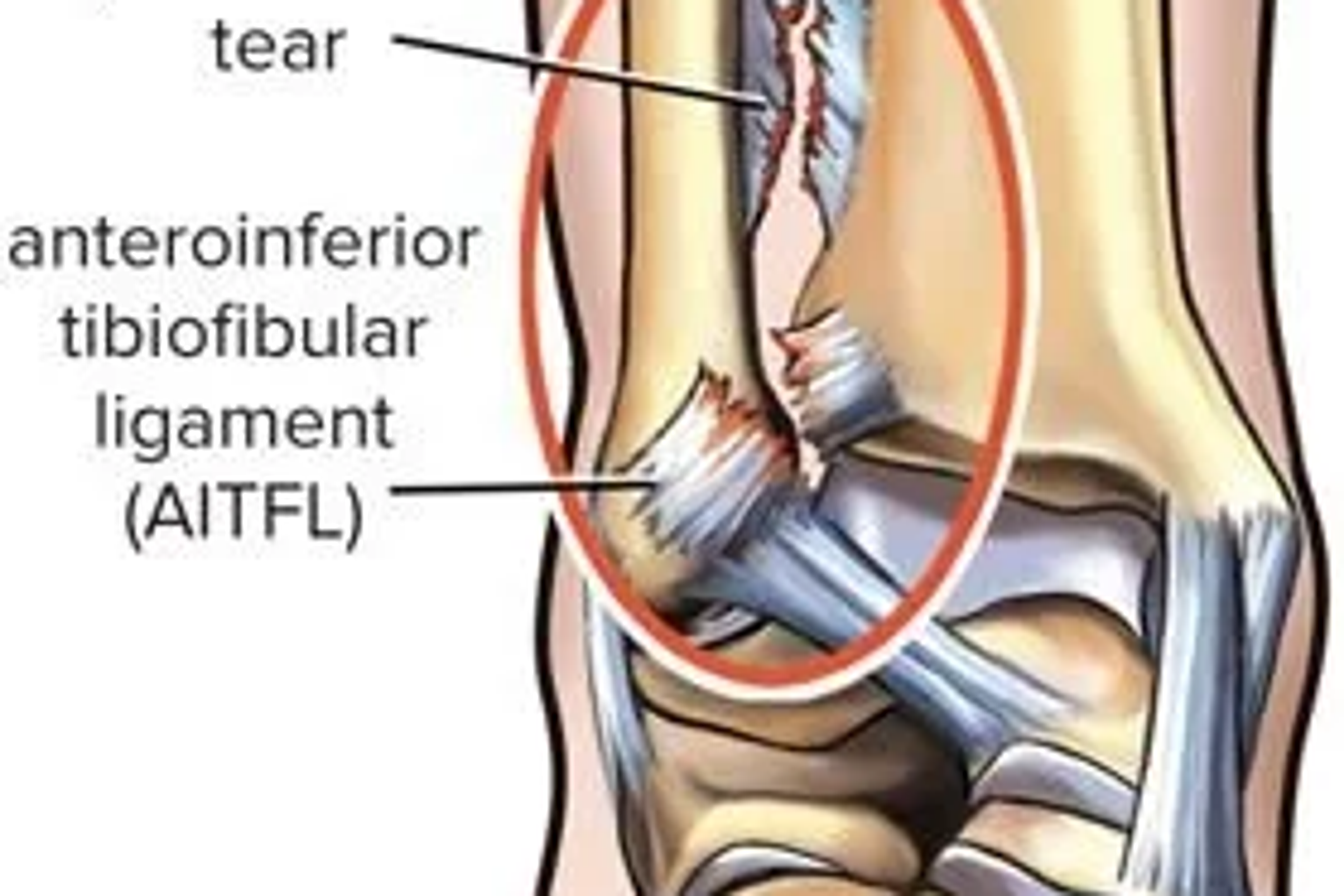
The syndesmosis is the group of strong ligaments that holds the tibia and fibula tightly together just above the ankle joint. It consists of the anterior inferior tibiofibular ligament (AITFL) at the front, the posterior inferior tibiofibular ligament (PITFL) and inferior transverse tibiofibular ligament (ITTL) at the back, and the interosseous ligament between the two bones, which is a distal thickening of the interosseous membrane. Together, these structures maintain the stability of the distal tibiofibular joint and help keep the ankle intact.
Its job is to keep that socket snug. Every time the foot pushes off, lands or changes direction, the talus presses outward against the two bones. The syndesmosis keeps them from spreading apart.
Because these ligaments sit above the ankle joint, an injury to them is often called a high ankle sprain.
How is it different from a normal sprain?
Most ankle sprains in football involve the ligaments on the outside of the ankle, usually when the foot rolls inward.
A syndesmosis injury is different. It usually happens when the foot is forced to twist outward, or bend upward, while it is planted and bearing weight. That twisting motion pries the tibia and fibula apart and stretches or tears the ligaments that hold them together.
In a challenge like the one Espart was involved in, an opponent’s contact on a planted foot can easily create that kind of force. The exact mechanics have not been described, so it is important not to assume precisely how it happened.
These injuries tend to take longer to recover from. The syndesmosis is stressed every time the ankle bears weight and bends, which includes almost every movement in football. A large study of professional footballers in the UEFA Elite Club Injury Study found that isolated syndesmosis injuries kept players out for an average of 39 days, far longer than a typical ankle sprain.
Does he need surgery?
Barcelona have not mentioned surgery, and a seven-week estimate suggests the club plans to manage the injury without an operation. It is important not to assume the details, but this is generally the case when the joint is considered stable.
The key question with any syndesmosis injury is stability. If the ligaments are stretched or partly torn but the tibia and fibula stay in their normal position, the injury can usually be treated with protection and rehab. If the ligaments are badly torn and the bones can separate under load, surgery is often needed to hold them together while they heal.
What could the next seven weeks look like?
While every rehabilitation program is individualized, a seven-week recovery from a stable syndesmosis injury would generally follow a progression like this:
Weeks 0 to 2
Protect the ankle
The early focus is on calming down pain and swelling and protecting the healing ligaments. That often means a walking boot and limited weight bearing at first. Positions that stress the syndesmosis, especially twisting the foot outward and bending the ankle upward under load, are avoided. Upper body work and conditioning that does not stress the ankle can continue.
Weeks 2 to 4
Restore movement and strength
As symptoms settle, weight bearing progresses toward walking normally out of the boot. Rehab focuses on restoring ankle motion, strengthening the calf and foot muscles, and rebuilding balance and control on the injured leg.
Weeks 4 to 6
Return to running
Once the ankle tolerates walking and strengthening without pain, running is reintroduced in a straight line before progressing to acceleration, deceleration, hopping and cutting. Twisting and rotational movements are usually added last, because they place the most stress on the syndesmosis.
Week 6 and beyond
Return to football
The final stage brings back ball work, crossing, tackling and full team training. For a full back, who has to sprint up and down the touchline, change direction quickly and defend one on one, the ankle needs to handle explosive, multidirectional movement without pain or hesitation.
When could he be back?
From the October 25 injury, a seven-week timeline would point to a return around the middle of December.
That would see Espart miss a demanding run of fixtures, including La Liga matches against Alavés, Atlético Madrid and Villarreal, and Champions League games against Aston Villa and Manchester City.
If his recovery goes to plan, a return could come around the trip to Málaga on December 13 or the home match against Real Sociedad on December 20, the last fixture before the winter break. If the club takes a cautious approach with a 19-year-old, it is also possible that he does not play again until the new year.
It is worth noting that seven weeks is longer than the 39-day average for syndesmosis injuries in professional football. That could reflect the severity of the injury, or simply a careful approach with a young player. Either way, rushing back from a high ankle sprain carries a real risk of a lingering problem.