Incident
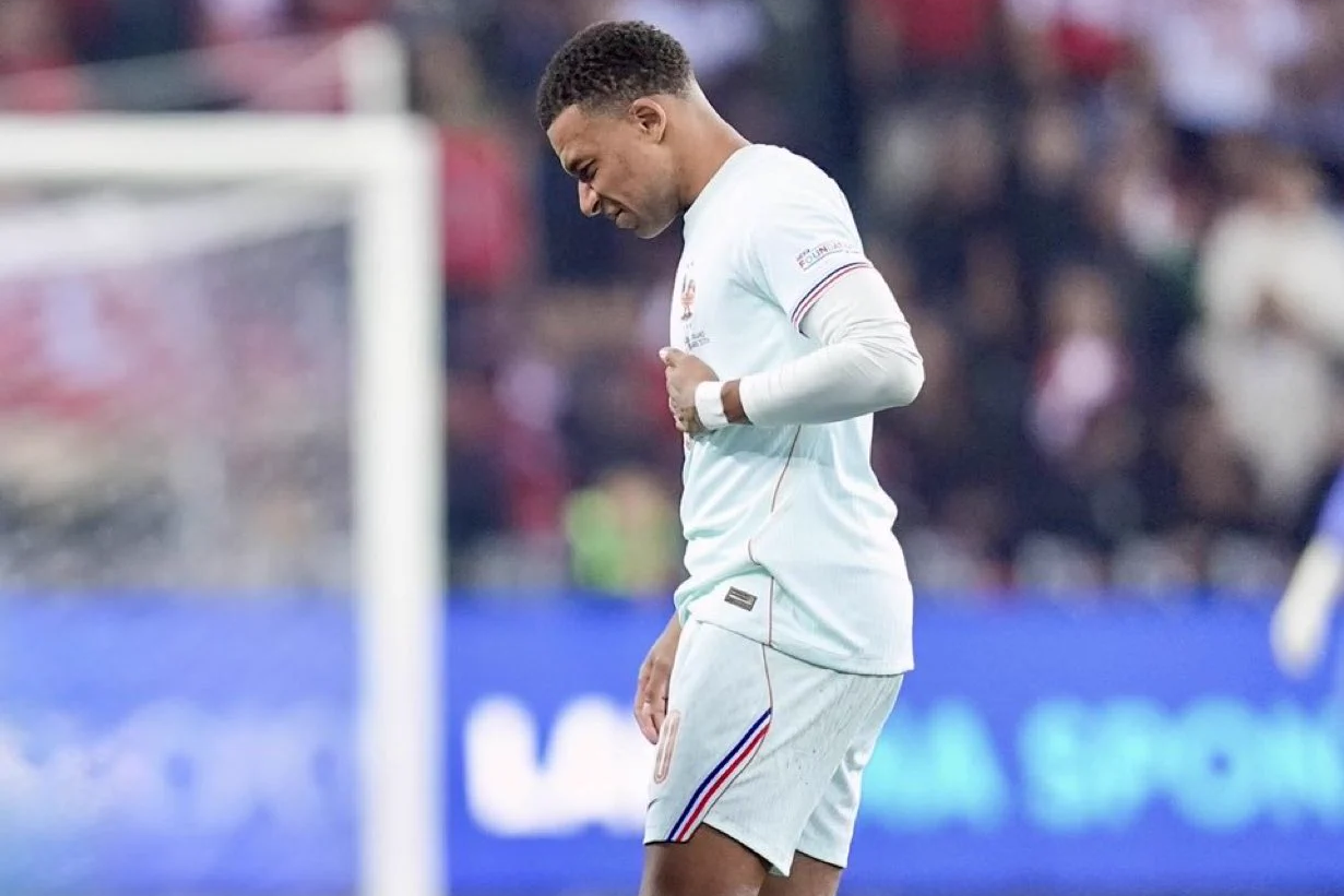
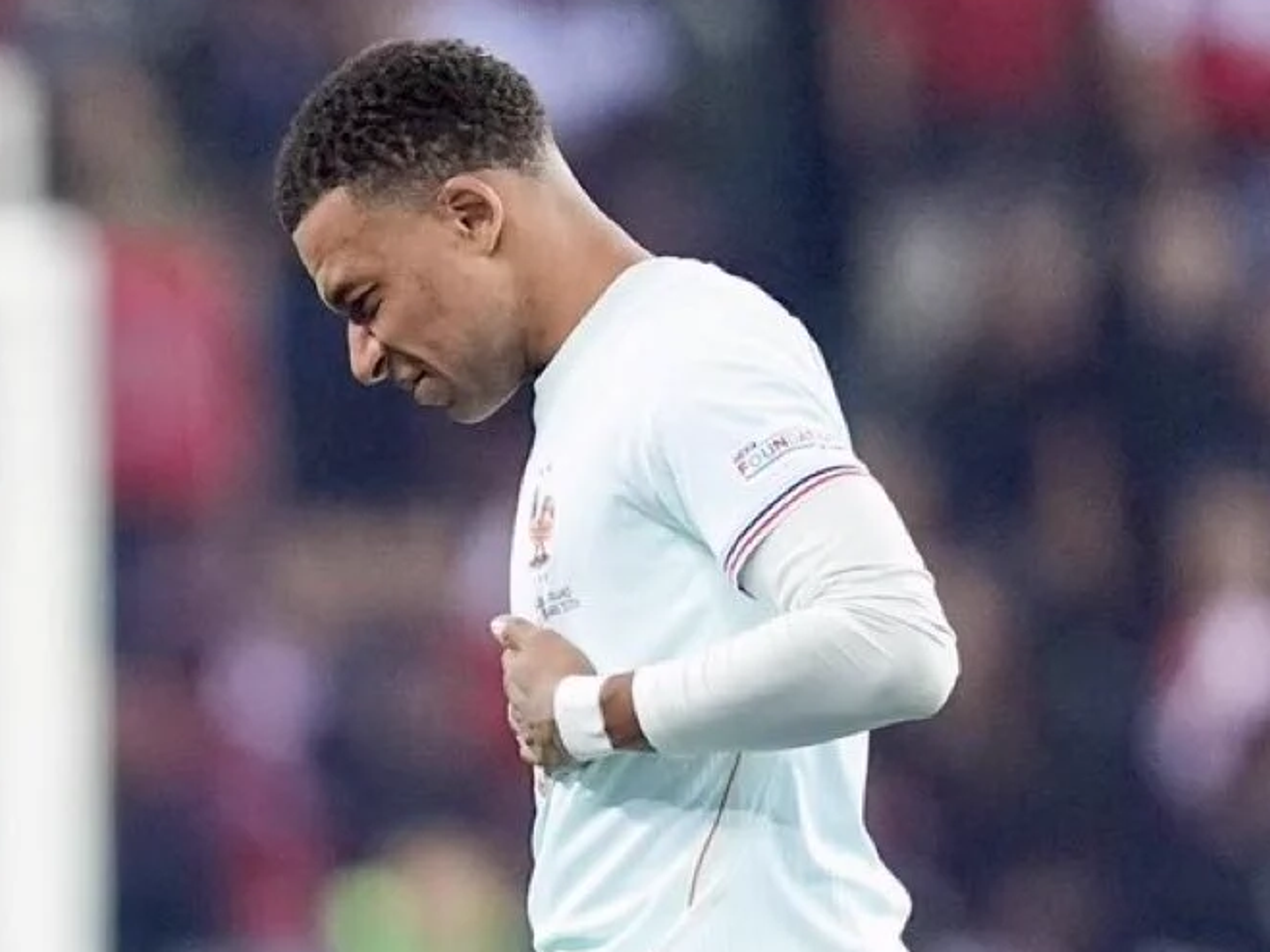
Kylian Mbappé scored the first goal of the Zinedine Zidane era with France on Friday night. Moments later, he was clutching his left knee.
Mbappé, 27, scored the only goal of France’s narrow win over Türkiye in the 54th minute, but pulled up immediately after the shot. He tried to continue, then asked to come off. The French Football Federation initially described it as a tendon problem, and by Saturday he had left the France camp and flown back to Madrid for tests.
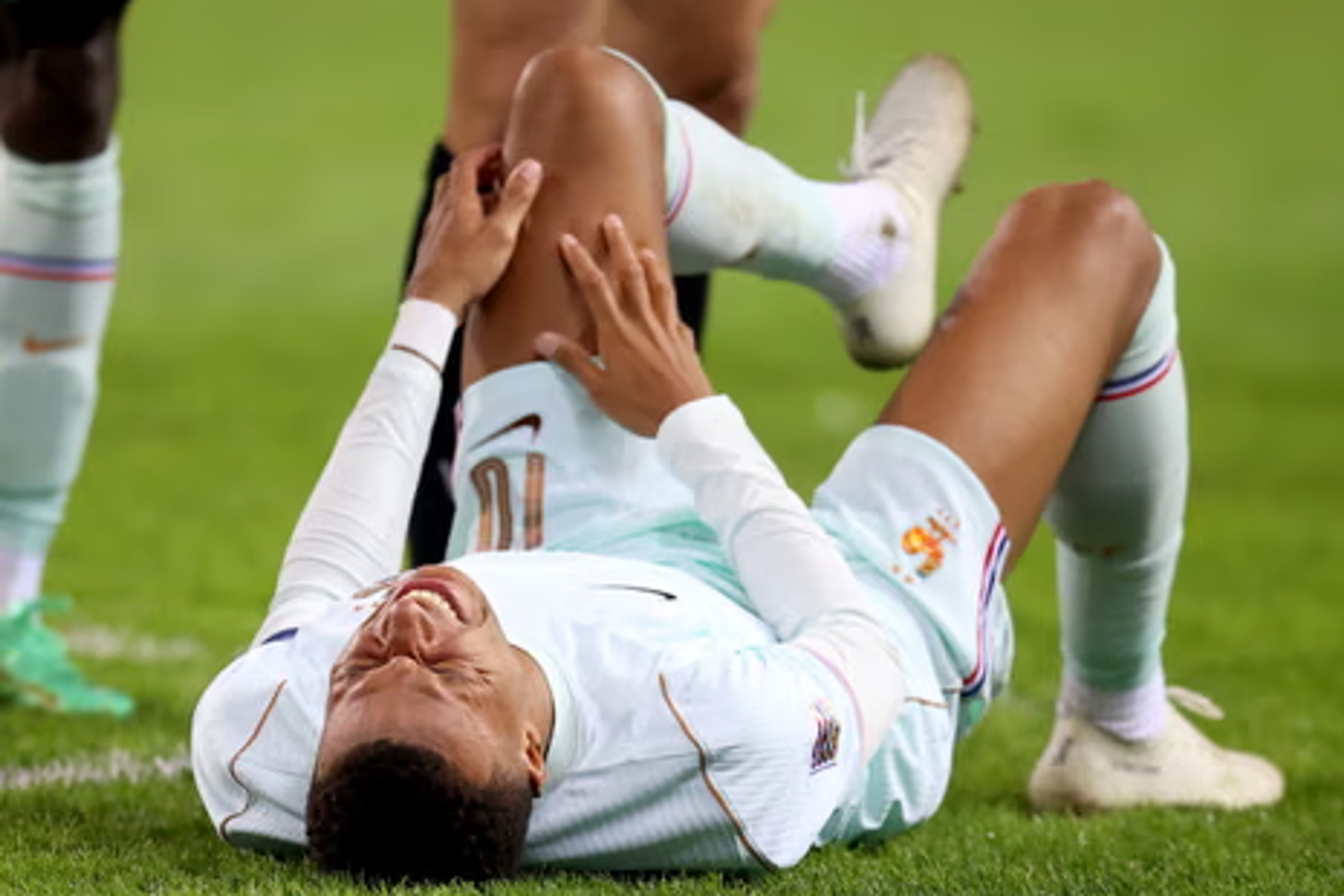
On Saturday afternoon, Real Madrid confirmed the diagnosis: a hyperextension of the posterior capsule of the left knee. The club did not give a recovery timeline, saying only that it would monitor his progress.
Hyperextension. Posterior capsule. Neither is a phrase most fans hear often. So what exactly happened to Mbappé’s knee, why was there so much concern, and when could he be back on the pitch?
Let’s break it down.
What is the posterior capsule?
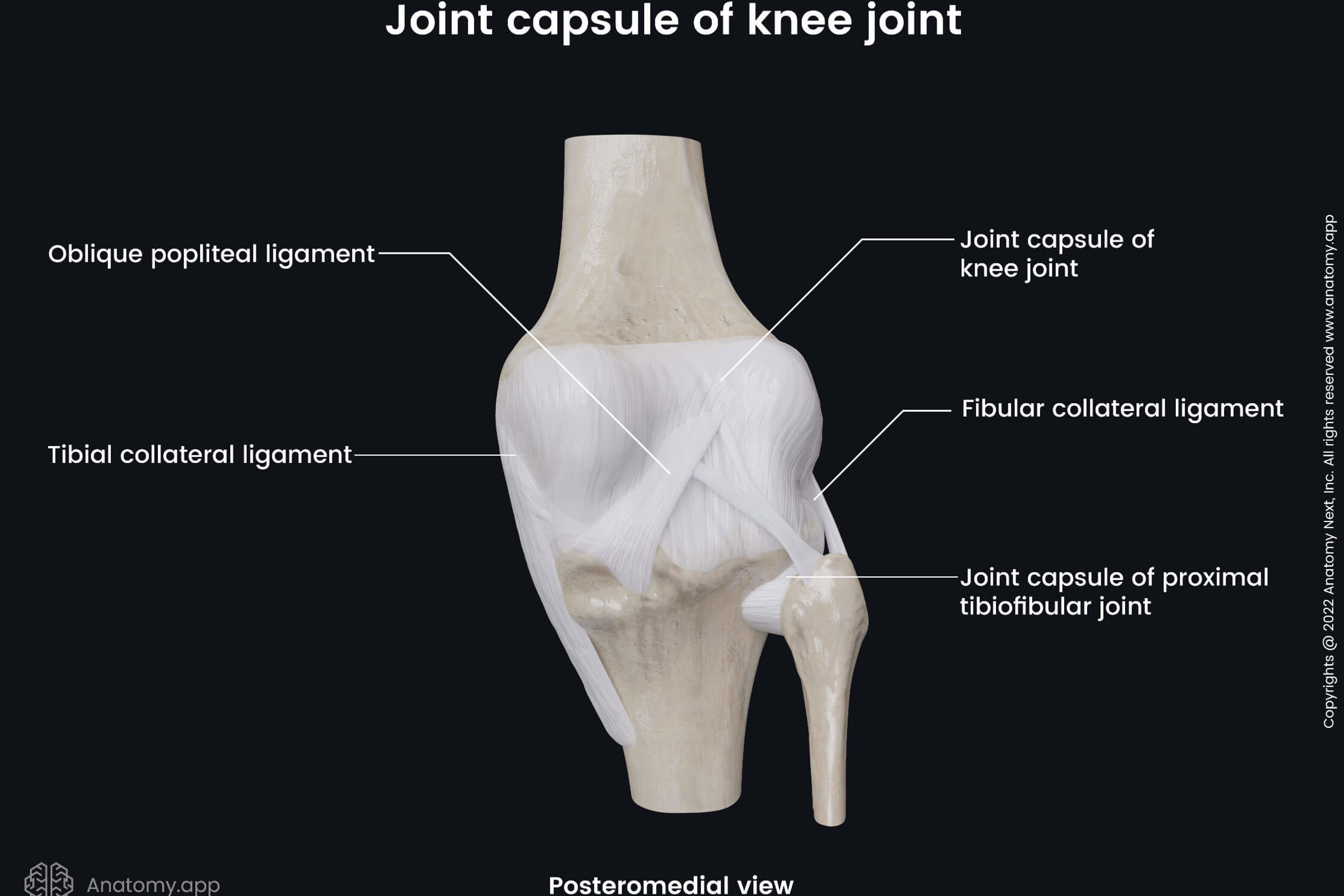
Every joint in the body is wrapped in a capsule, a tough, fibrous sleeve that holds the joint together and keeps in the lubricating fluid.
At the knee, the back portion of that sleeve is called the posterior capsule. It sits behind the joint, just in front of the hamstring and calf tendons that cross the back of the knee.
When the knee bends, the posterior capsule is relaxed. As the knee straightens, it tightens. By the time the leg is fully straight, the capsule is pulled taut, acting as a check rein that stops the knee from bending backward.
That is its main job. Hyperextension simply means the knee was forced past straight, bending backward beyond its normal limit. When that happens, the posterior capsule is one of the first structures to absorb the force.
In fact, biomechanical research suggests the capsular structures at the back of the knee do most of the work in resisting hyperextension. A classic study by Noyes and colleagues found the posteromedial and posterolateral capsule accounted for roughly 55% of the knee’s resistance to hyperextension, compared with about 25% for the ACL and PCL combined.
So when the knee goes too far, the capsule is usually the first thing to be stretched, or in more severe cases, torn.
Why the initial concern?
The worry on Friday night was not really about the capsule. It was about what else might have been damaged.
Hyperextension injuries in athletes often happen without contact, on a fully straight leg. Depending on how much force is involved and the direction it comes from, the injury can range from a mild stretch of the capsule to damage to the cruciate ligaments.
One MRI study of 25 patients following a knee hyperextension injury found the posterior capsule was injured in 52% of cases, while the PCL and ACL were each involved in 40%.
That is why the first question after an injury like this is usually whether the ligaments are intact.
Real Madrid’s statement only mentions the posterior capsule. The club did not report any ligament damage, and the timelines being reported in the Spanish press are consistent with an injury limited to the capsule. It is important not to assume what the scans did or did not show beyond what was announced, but the short expected absence is encouraging.
How does a shot cause this?
The exact mechanics have not been detailed, so it is important not to assume which leg was doing what in that moment.
However, shooting is one of the situations in football where the knee comes closest to full extension under load. Whether planting the standing leg to generate power or driving through the ball with the kicking leg, the knee can be pushed toward, and occasionally past, straight.
Zidane appeared to describe exactly that after the match, explaining that the knee had hyperextended after the shot and that France would not take any risks with him.
Does his knee history matter?
This is not the first time Mbappé’s left knee has made headlines.
He first injured it against Celta Vigo on December 7, 2025, played through it for several matches, and was diagnosed with a knee sprain on December 31. The problem, reported as an issue with the lateral ligament on the outside of the knee, lingered into the new year. In March, after a second opinion from specialists in Paris, Real Madrid confirmed that conservative treatment, without surgery, remained the right approach.
Across two separate spells last season, the left knee cost him seven matches for Real Madrid.
It is important to be clear here: a lateral ligament sprain and a posterior capsule hyperextension are different injuries involving different structures. This is not necessarily a relapse of last season’s problem.
But the history likely explains why Real Madrid will take a careful approach. The medical staff will want the knee fully settled before exposing it to the demands of a match, rather than risk turning a short absence into a longer one.
What could the next two weeks look like?
Real Madrid have not published a timeline, but Diario AS has reported an absence of 10 to 12 days, while journalist Arancha Rodríguez has reported around two weeks.
While every rehabilitation program is individualized, a timeline of 10 to 14 days for this type of injury would generally follow a progression like this:
Days 0 to 3
Calm the knee down
The early focus would be on managing pain and swelling and restoring comfortable movement. Importantly, that means not forcing the knee into full extension while the capsule is irritated. Early exercises could include quad sets, straight leg raises and gentle bending. Stationary cycling may also be introduced early, allowing Mbappé to maintain fitness without repeatedly loading the knee at full extension.
Days 4 to 10
Rebuild strength and control
As symptoms settle, the focus would shift to progressively loading the leg. That could include squats, leg press, step ups and balance work on one leg. The hamstrings deserve particular attention. Because they cross the back of the knee, they act as a dynamic brake against hyperextension, helping protect the capsule while it heals. Eccentric hamstring strengthening is likely to play a role. If the knee responds well, running in a straight line would likely be reintroduced during this period.
Days 10 to 14 and beyond
Return to football
The final stage focuses on whether the knee can tolerate the specific demands of Mbappé’s game: explosive acceleration, sudden deceleration, cutting and, of course, shooting. For a striker, repeatedly striking a ball at full power is a key test. It puts the knee back in the position where the injury happened. The final decision would ultimately depend on how he responds: no swelling, a full range of motion without pain, strength comparable to the other leg, and confidence in the knee through training at full speed with the group.
When could fans see him back?
The calendar may be working in Real Madrid’s favor.
Mbappé has left the France squad and will miss the rest of the international window. But Real Madrid do not play again until October 10, when they host Villarreal at the Bernabéu.
From September 26, a timeline of 10 to 14 days would put his projected return between October 6 and October 10. That creates a realistic possibility that Mbappé misses no Real Madrid matches at all.
Here is how the next month lines up:
- October 10: Real Madrid vs. Villarreal (LaLiga)
- October 14: Roma vs. Real Madrid (Champions League)
- October 18: Real Madrid vs. Sevilla (LaLiga)
- October 21: Real Madrid vs. RB Leipzig (Champions League)
- October 25: Barcelona vs. Real Madrid (LaLiga)
The Villarreal match sits right at the end of that projected window. If his recovery runs the full two weeks, he may only get a session or two with the team beforehand. A place on the bench or limited minutes would not be surprising, and the club may prefer to wait for the Champions League trip to Rome on October 14.
The date circled on everyone’s calendar, however, is October 25. If his rehabilitation progresses without setbacks, El Clásico at Barcelona should be comfortably within reach, a full month after the injury.
Given the history in that knee, the priority for Real Madrid will be getting it right, not just getting it fast. A few extra days now is a small price compared with another long spell managing the same joint.