Incident - Injured Sept. 9, 2026
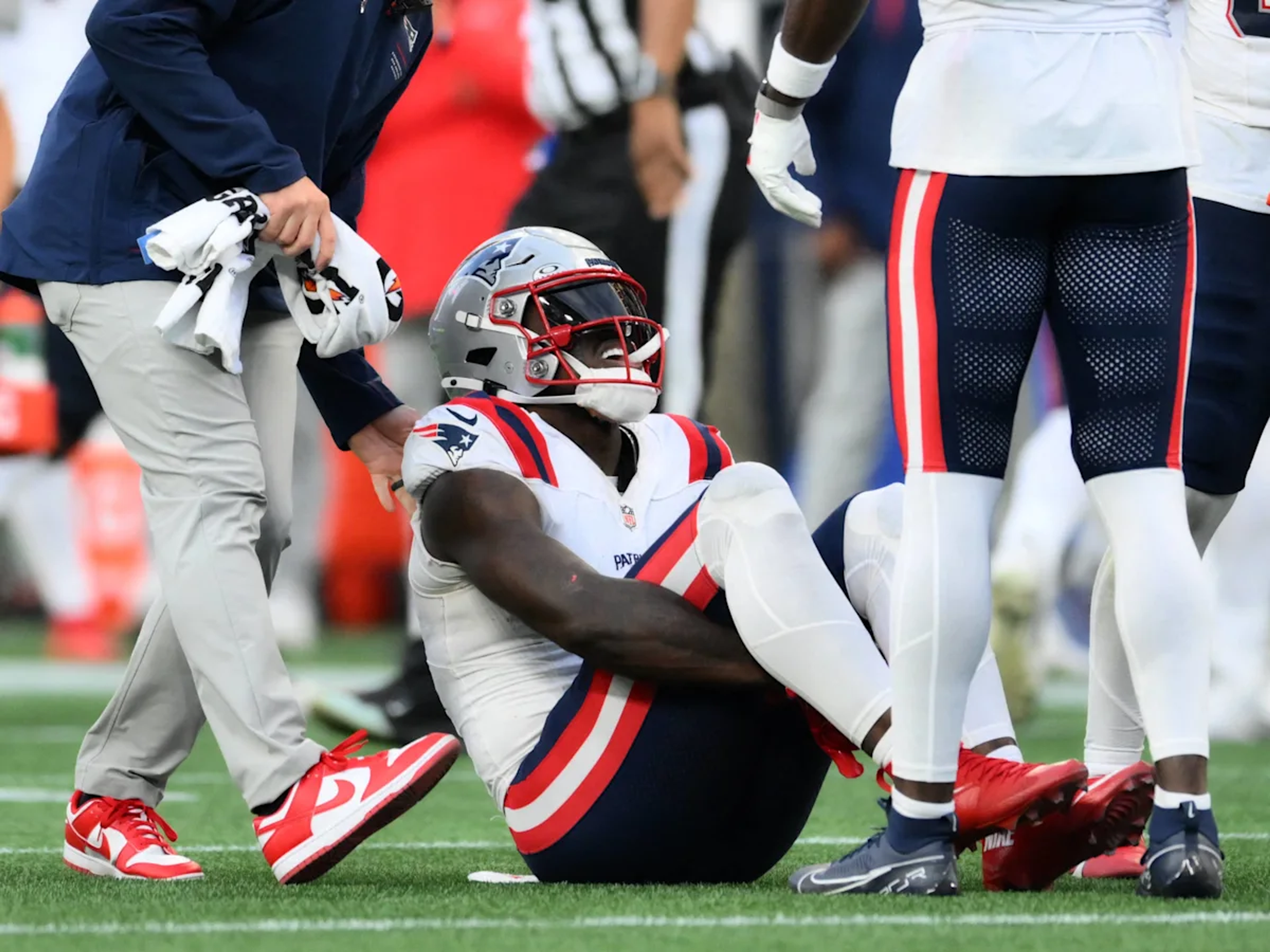
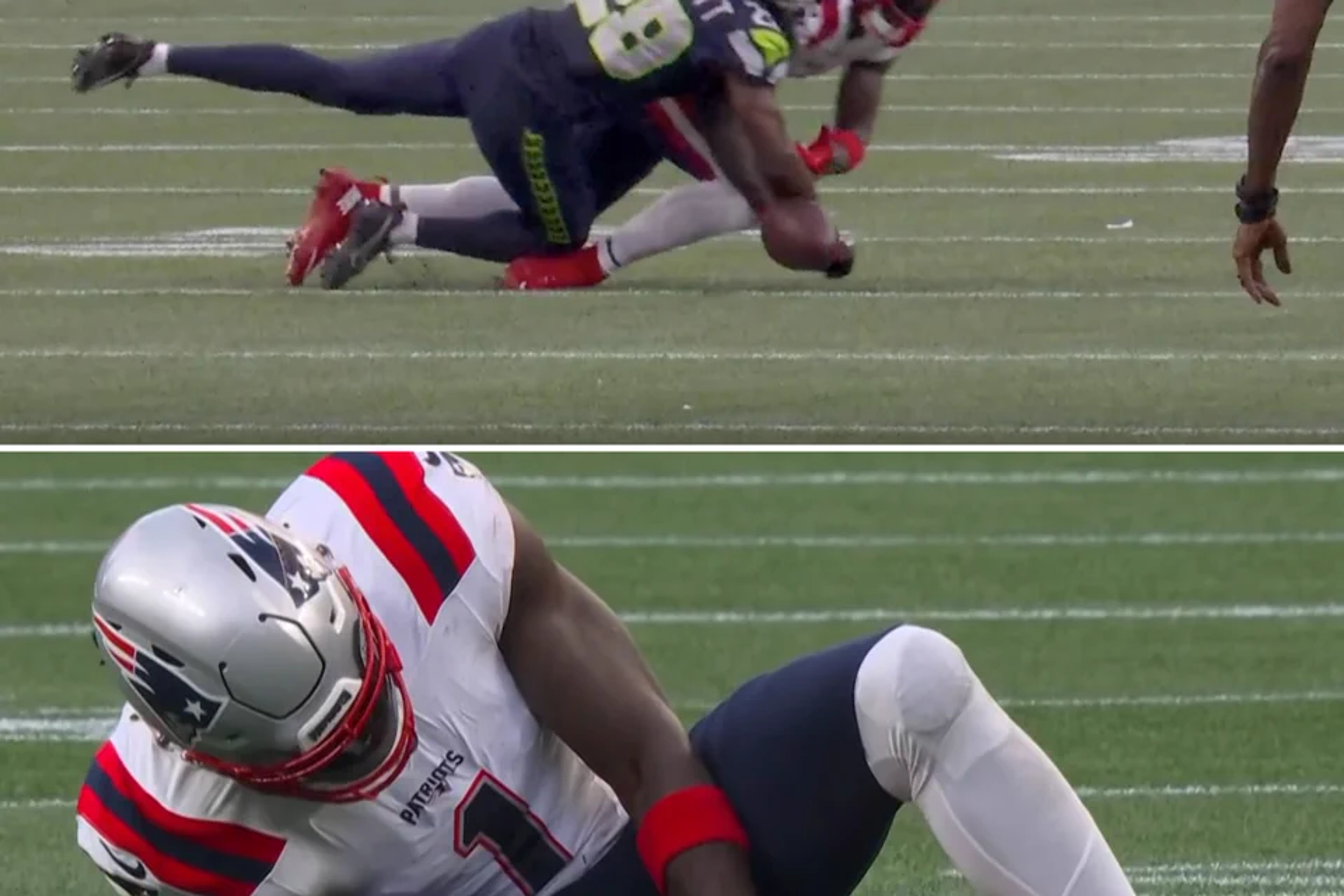
A.J. Brown's Patriots debut lasted less than three quarters. The eight-year veteran, acquired from the Eagles in June in a trade that cost New England two draft picks, went down early in the third quarter of Wednesday night's 13-10 season-opening loss to the Seattle Seahawks. On a third-down pass from Drake Maye, Seahawks cornerback Nehemiah Pritchett's knee landed on Brown's planted right ankle as he reached for the ball. Brown grabbed his lower leg, was slow to get up, and spent an extended stretch in the medical tent before being ruled out. He finished the night with three catches for 26 yards on four targets, plus a 34-yard pass interference penalty drawn on an earlier deep shot.
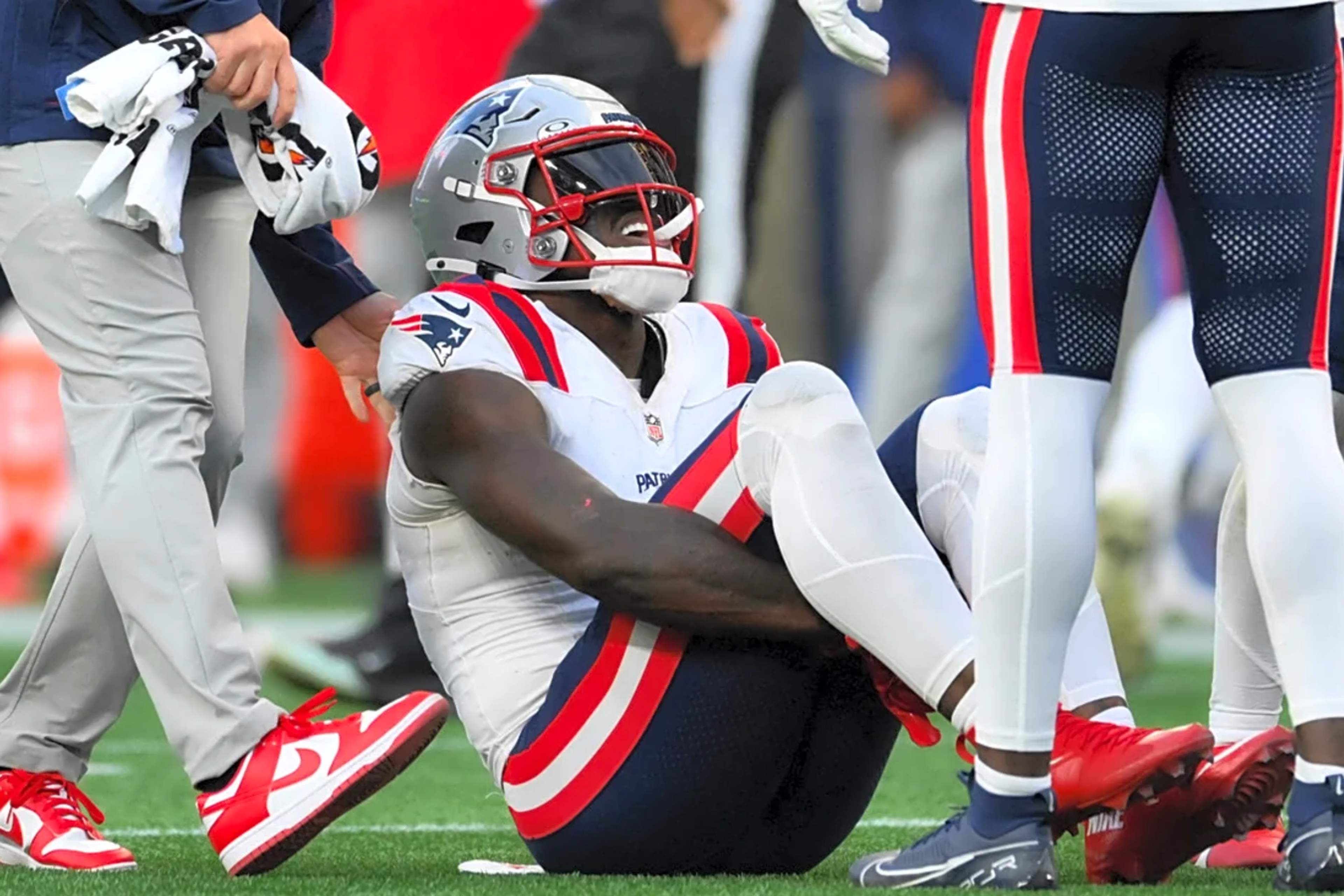
X-rays taken after the game did not show a fracture…MRI on Thursday confirmed a high ankle sprain for the Patriots receiver.
What Is a High Ankle Sprain?
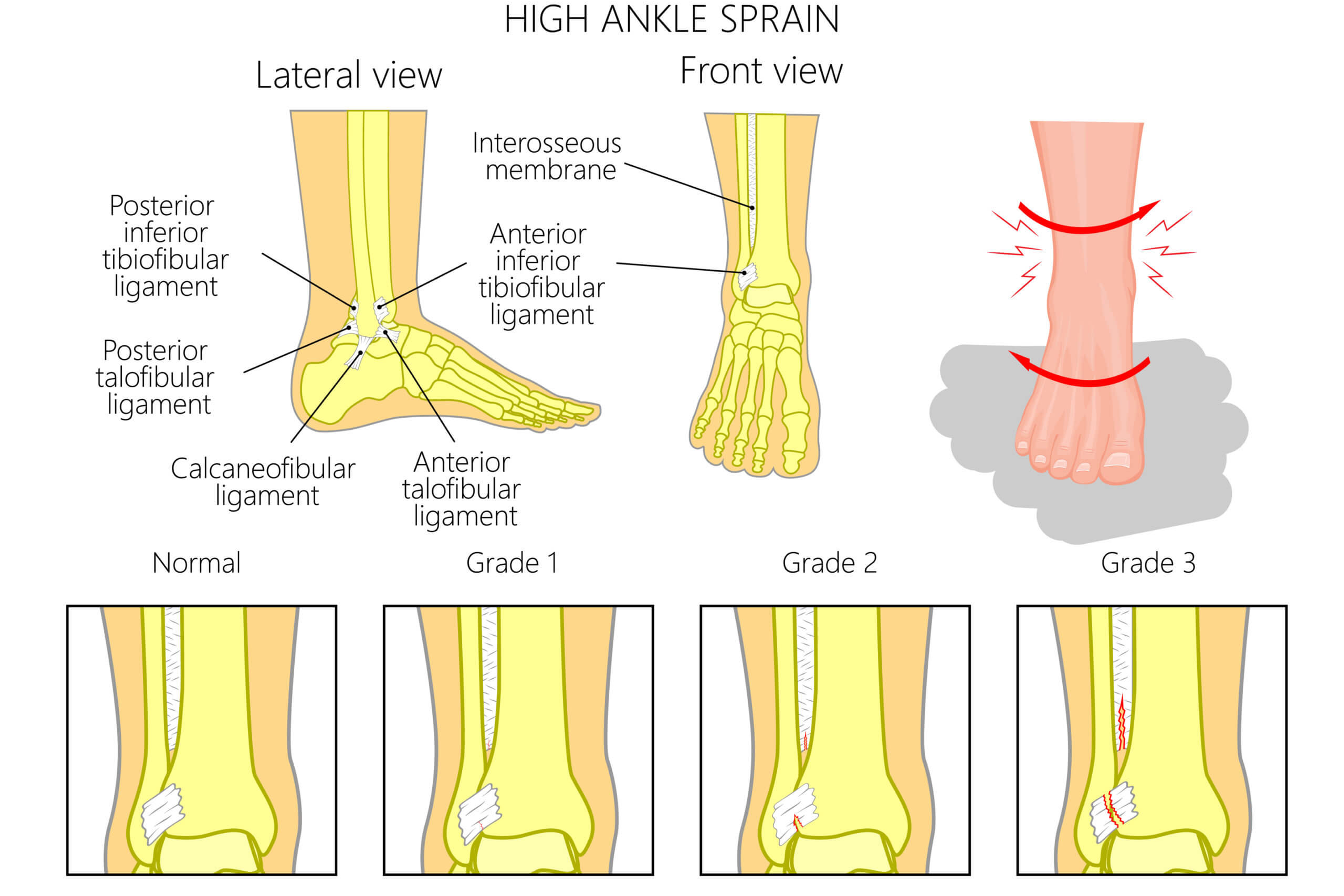
Most ankle sprains happen low on the joint, when the foot rolls inward and stretches the ligaments on the outside of the ankle. A high ankle sprain is a different injury entirely. It involves the syndesmosis, the fibrous joint connecting the tibia and fibula just above the ankle, held together by a set of ligaments (mainly the anterior and posterior inferior tibiofibular ligaments and the interosseous ligament) that keep the two lower leg bones locked together as they absorb rotational force.
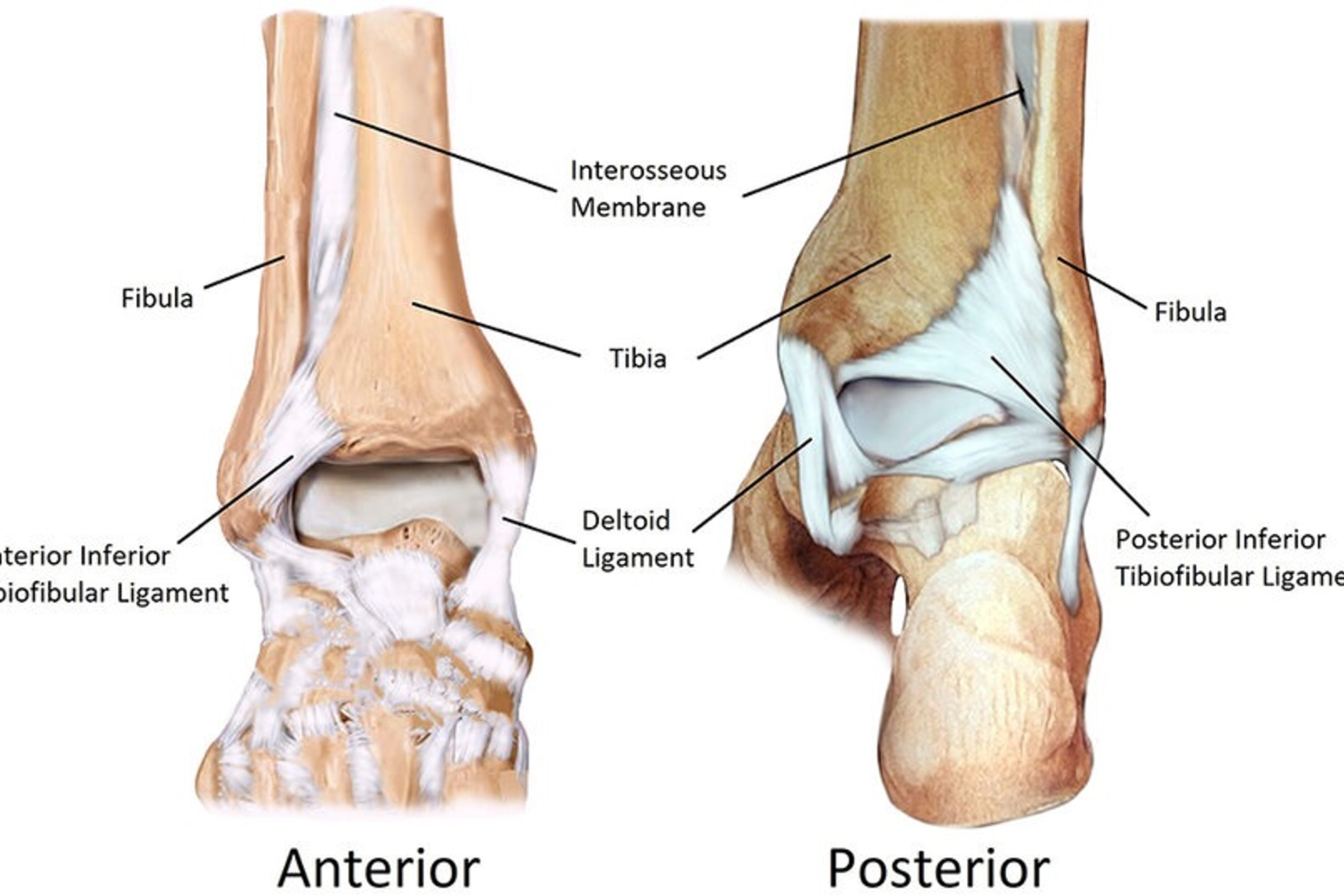
That structure fails under a different kind of stress than a typical sprain. Rather than the foot rolling inward, a high ankle sprain usually happens when the foot is planted and the leg is forced into external rotation, or the ankle is driven into extreme upward flexion, spreading the tibia and fibula apart. A cleat stuck in the turf while an opponent rolls into the leg, which lines up closely with how Pritchett's knee landed on Brown's already-planted foot, is a textbook mechanism.
The syndesmosis also gets far less blood flow than the ligaments involved in a garden-variety ankle sprain, and it bears real load every time a player pushes off or cuts. That combination is why high ankle sprains routinely sideline NFL players two to six weeks, well beyond the several days typical of a standard sprain. Since no surgery is indicated for Brown, the ligaments may only be stretched; rehab alone usually resolves it (indicating a grade 1 or 2 sprain). If the syndesmosis was unstable, it can require surgical fixation with a screw or suture, pushing recovery well past six weeks.
What Rehab Looks Like From Here
Assuming the MRI confirms a stable sprain without surgery, recovery generally follows a few overlapping stages:
Early protection - 2-9 days
Control Swelling and Pain
Controlling swelling and pain, often in a walking boot, while avoiding the rotational and dorsiflexion forces that stress the syndesmosis. Weight-bearing is introduced gradually as tolerated.
Restoring Motion and Light Loading - starting day 3 for 2-3weeks
Range of Motion Work
Range-of-motion work, stationary biking, and pool-based conditioning to maintain fitness without overloading the joint.
Strength and Stability - weeks 3-5
Strengthening, Balance, and Conditioning
Calf and lower-leg strengthening, single-leg balance work, and progressive running as symmetry between the two legs improves.
Sport-Specific Return - weeks 3/4–6+
Back on The Field
Cutting, accelerating, and practice reps are cleared only once the ankle can handle rotational load without pain or instability...the same movements that caused the injury in the first place.
The Patriots' own four-to-six week estimate lines up with that typical progression. The schedule makes the math straightforward: New England is off until hosting Pittsburgh on Sept. 20, then travels to Jacksonville (Sept. 27) and Buffalo (Oct. 4) before back-to-back home games against Las Vegas (Oct. 11) and the Jets (Oct. 18). A four-week absence rules Brown out for the Steelers, Jaguars, and Bills games at minimum; if the recovery runs toward the six-week end of the range, his return could slide closer to that Jets matchup. The team is also reportedly weighing a short-term injured reserve stint, which would formally lock in a minimum four-game absence regardless of how the ankle progresses.