The Incident
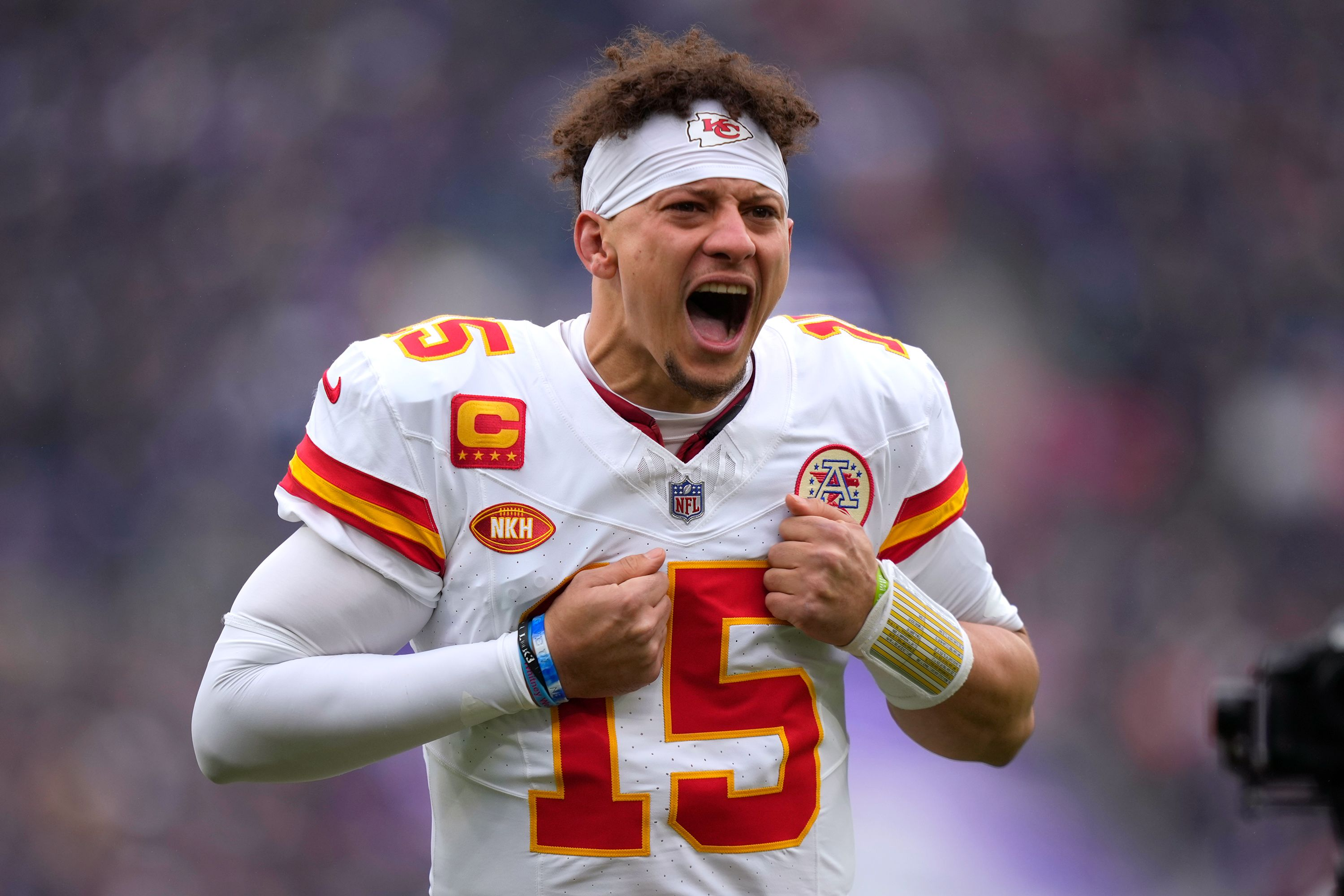
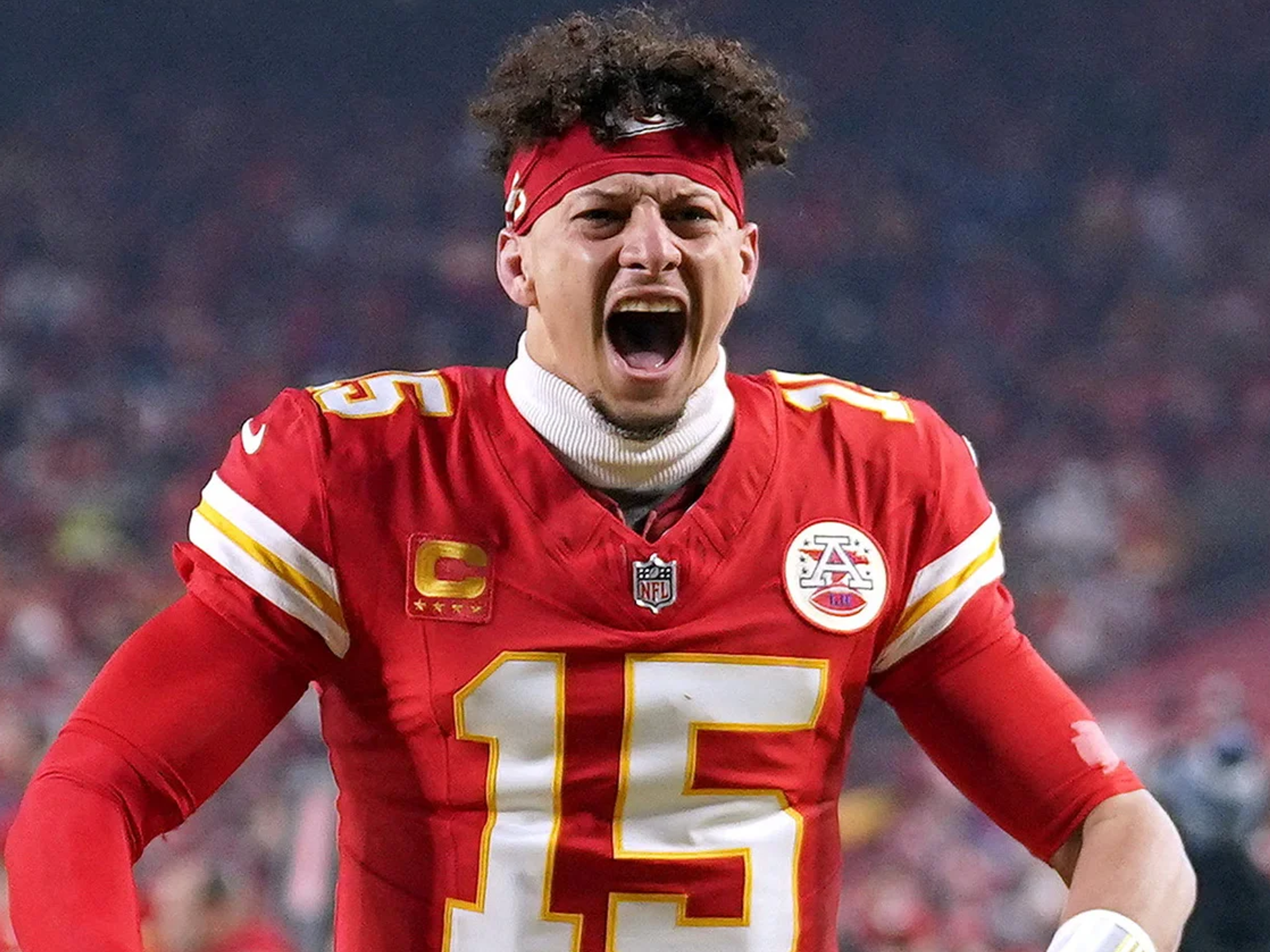
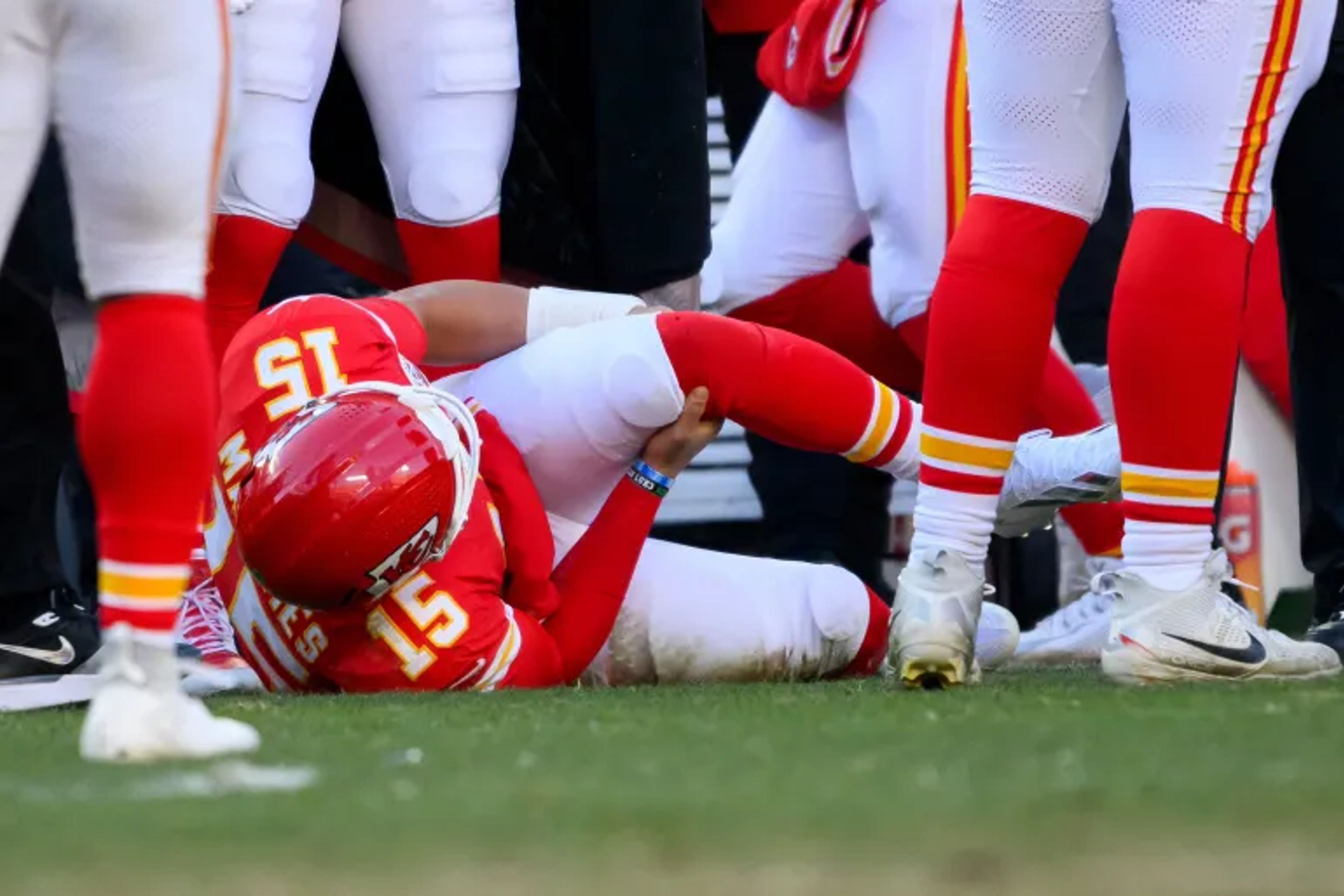
On December 14th, 2025, with less than two minutes left in a Week 15 matchup against the Los Angeles Chargers, Patrick Mahomes was trying to keep a dying drive alive. Stepping out of the pocket, Mahomes planted his left foot while his knee hyperextended and rotated outward as Chargers defensive lineman Da'Shawn Hand rolled into him from the side. Mahomes immediately went down, and what initially looked like an ACL injury would turn out to be something more.
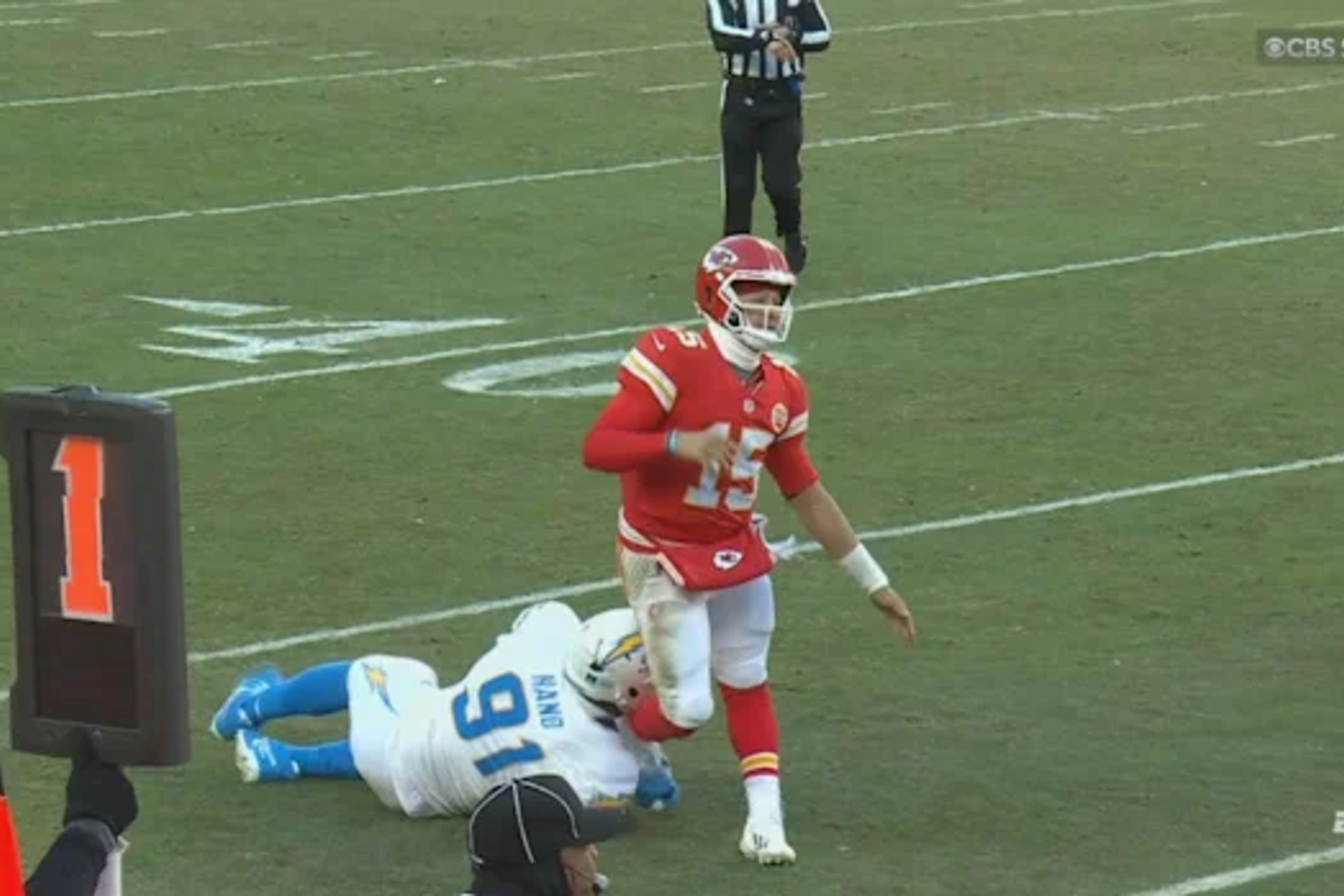
The mechanism was anything but simple. With the foot planted, the combination of hyperextension, external rotation, and an outside-in force placed stress on multiple stabilizing structures of the knee. The ACL was the first major concern, but the PCL and LCL also faced the same forces. An MRI confirmed the ACL tear, ruling out the more favourable possibility of a bone bruise without ligament damage.
But there was more to the story. Seeking a second opinion from Dr. Dan Cooper, the Dallas Cowboys' longtime team physician, Mahomes underwent further evaluation in Dallas. That assessment revealed a torn LCL alongside the ACL, making this a much more complex multi-ligament knee injury.
What Is a Combined ACL-LCL Injury, and Why Is It Different From "Just" an ACL Tear?
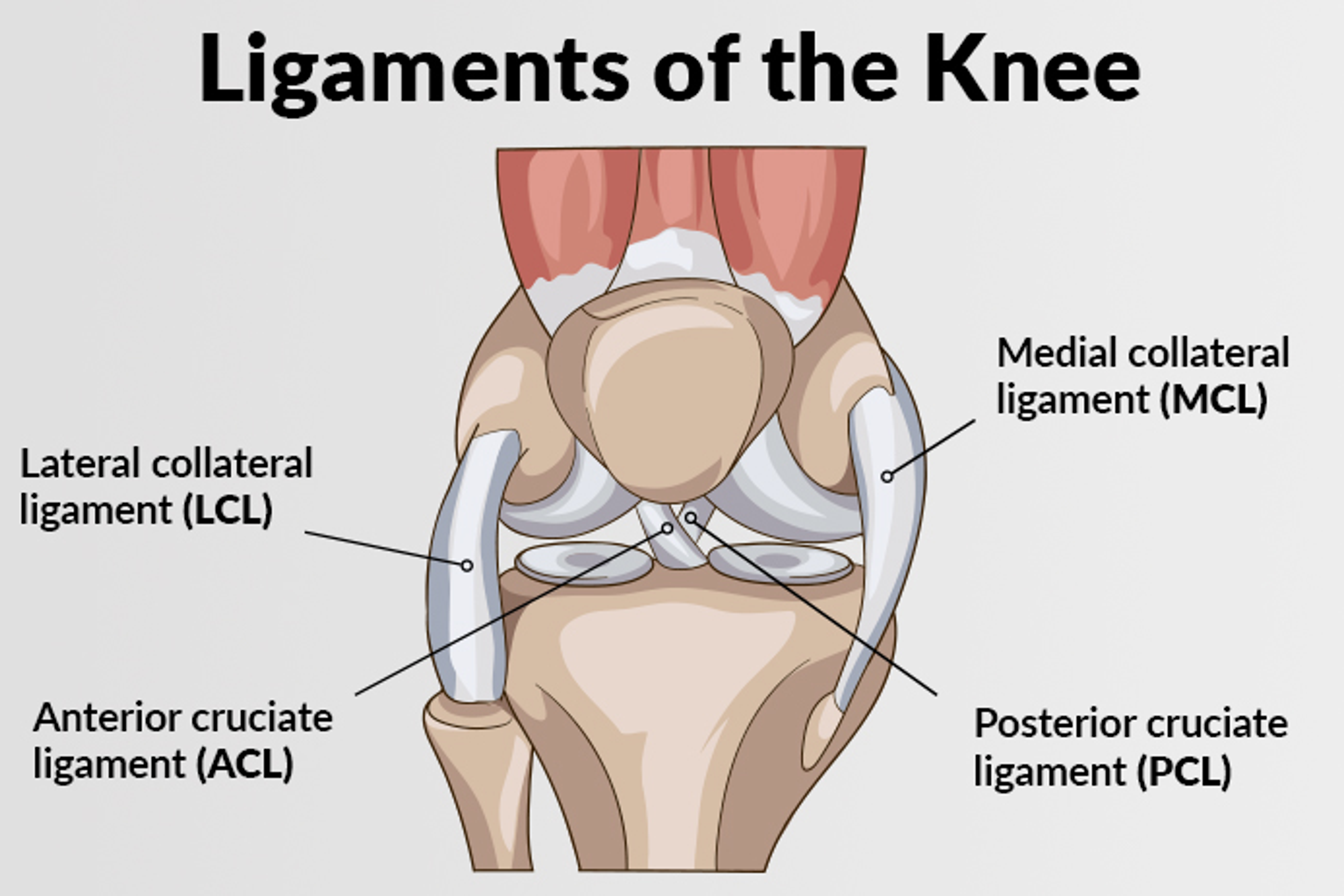
The ACL runs through the center of the knee and stops the shin bone from sliding too far forward under the thigh bone, while also controlling rotation during planting, cutting, and decelerating. It's the ligament that fails in the overwhelming majority of football and soccer knee injuries, usually on a single bad step.
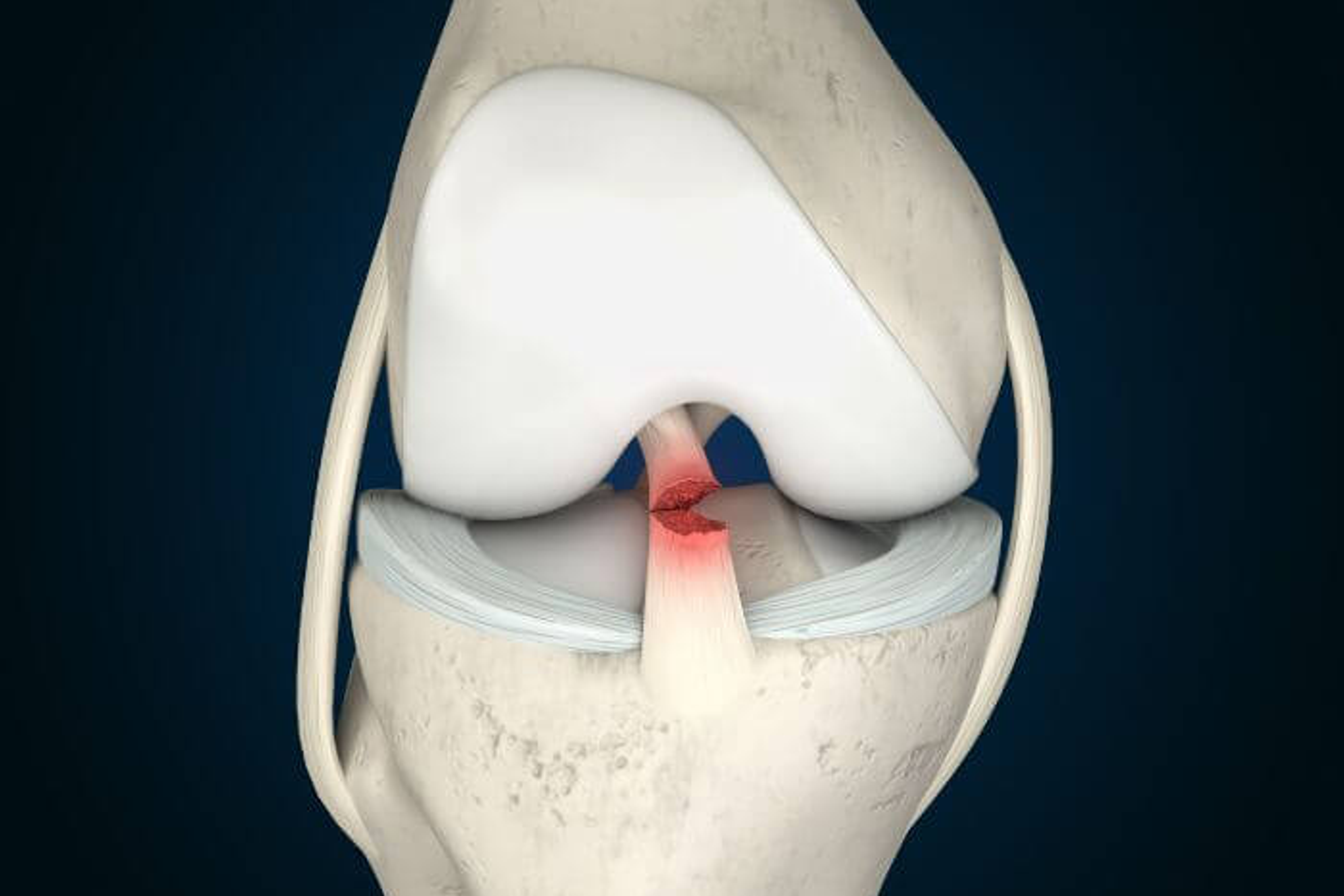
The LCL sits on the outside of the joint and does a different job: it resists the knee buckling outward (varus stress) and resists excessive external rotation of the shin. That second part is exactly the force Mahomes' knee absorbed when he was rolled up on while already rotating outward. Isolated LCL injuries are uncommon on their own; they show up far more often as passengers alongside an ACL or PCL tear in exactly this twisting, contact mechanism.
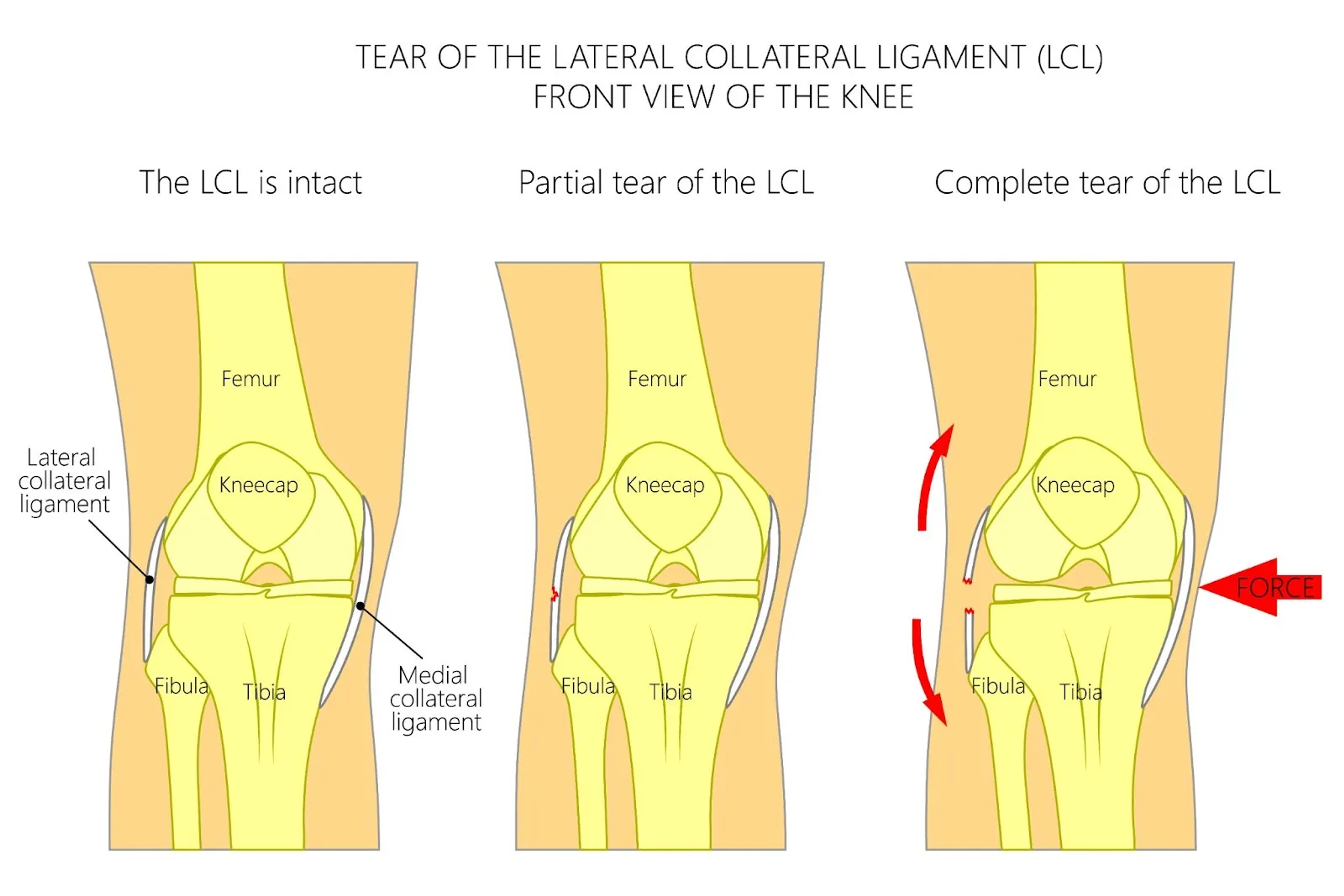
In surgery and in rehab, that combination matters. An isolated ACL reconstruction is now routine enough that most patients bear full weight almost immediately. Add an LCL repair or reconstruction, and surgeons typically require a period of protected or partial weight-bearing, commonly around four weeks, to let that outer-knee repair stabilize before it's loaded. That slows the opening stretch of rehab even if it doesn't necessarily push back the overall return date.
The Surgical Decision
Mahomes' surgery happened fast: roughly 24 hours after the injury, performed by Dr. Cooper in Dallas. Multiple reports credit that quick turnaround, operating before significant swelling set in, as a meaningful advantage heading into rehab, since it let him begin range-of-motion work within days rather than weeks.
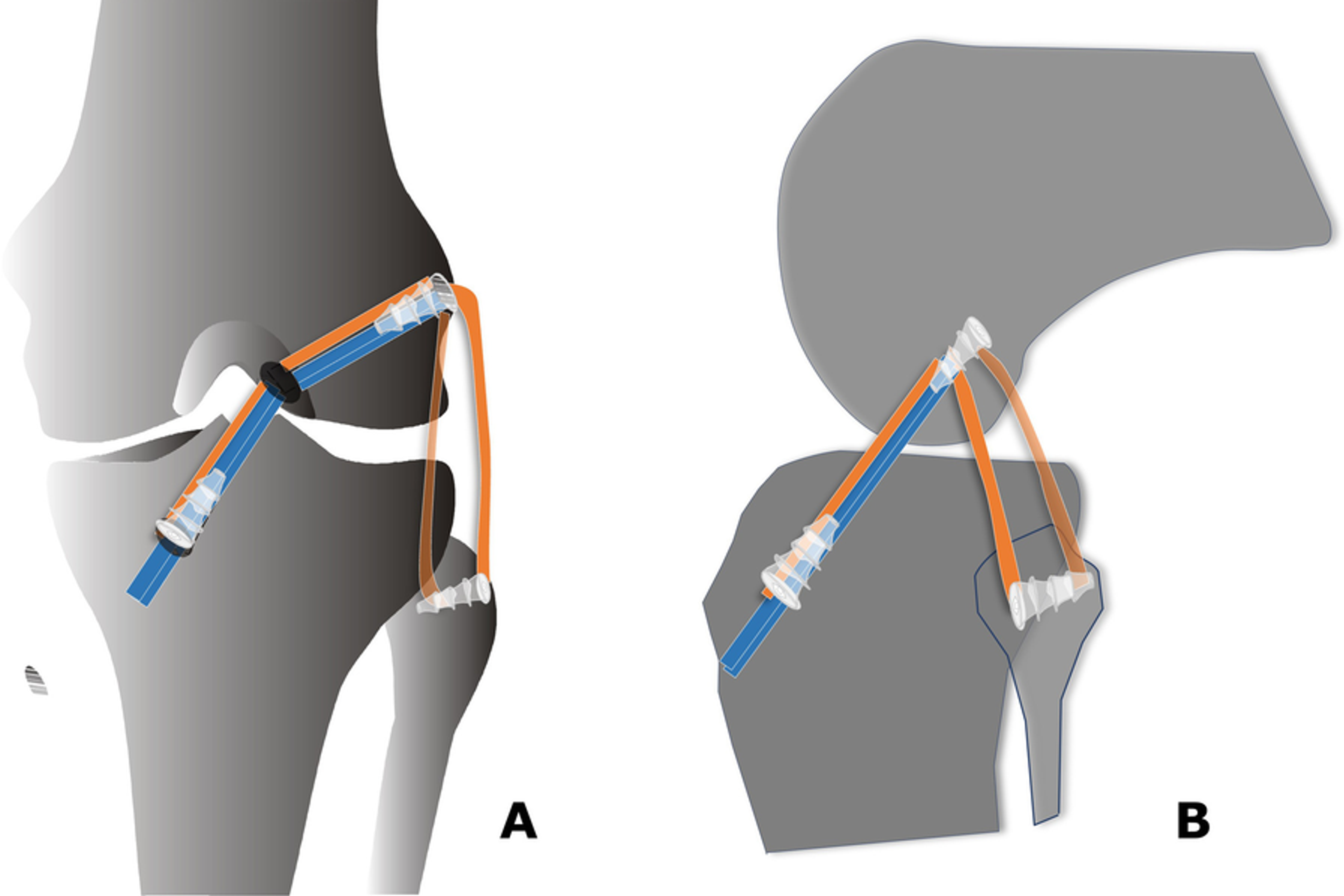
The procedure addressed both the ACL reconstruction and the LCL repair. Kansas City's medical staff noted a genuinely favourable detail: imaging showed no meniscal tear, no cartilage/joint-surface damage, and no nerve or artery involvement. That kept the surgical footprint smaller than a worst-case multi-ligament injury, and it's a large part of why the Chiefs' own timeline never strayed far from the standard nine-to-ten-month range typically cited for ACL-plus-LCL cases, rather than the longer window sometimes seen with more extensive lateral knee damage.
Rehabilitation: Phase by Phase
Because the LCL repair called for protected weight-bearing early on, Mahomes' rehab followed a slightly more conservative early arc than a typical isolated ACL recovery, before converging back toward a standard football timeline.
Phase 1 · Weeks 0–6
Protection & Partial Weight-Bearing:
Range-of-motion work, swelling control, and quad activation, with roughly the first month spent on protected or partial weight-bearing to safeguard the LCL repair; more cautious than an isolated ACL patient, who is typically walking on it right away.
Phase 2 · Weeks 6–12
Full Weight-Bearing & Early Strength:
Progressive graft loading, stationary cycling, and closed-chain strength work once the LCL repair can tolerate full load.
Phase 3 · Months 3–6
Strength & Neuromuscular Control:
Heavy resistance training and limb-symmetry testing, comparing strength and hop performance side to side, become the gatekeeping benchmarks. For a quarterback, this window also folds in throwing progressions: rotational load through the plant leg on a throw isn't identical to a cut, but it isn't nothing either.
Phase 4 · Months 6–9
Pocket Mobility & Return to Practice:
Change-of-direction work, simulated pressure, and planting to throw off the back foot under increasing contact exposure. Mahomes was cleared to practice in late July 2026, about seven and a half months out, and by training camp was taking the large majority of first-team reps without needing a rest day, an unusually clean camp for a player at this stage of an ACL/LCL recovery.
Phase 5 · Month 9+
Live Competition:
Kansas City held Mahomes out of every preseason game as a precaution, saving his first live contact for the regular season. He's set to start Week 1.
Return-to-Play Timeline
Nine months sits at the front edge of the typical nine-to-twelve-month window for this type of injury…about as fast as a combined ACL/LCL reconstruction realistically allows for a return at a high level.
What the Research Says
Two bodies of research point in different directions, and reconciling them is the central uncertainty in Mahomes' case:
- Multi-ligament knee injuries generally return to prior form less often. One frequently cited 2018 study found that only around 18.5% of NFL players whose ACL tear also involved the PCL or LCL returned to their previous level of performance. That number is grim on its face, but the sample spanned every position running backs, defensive backs, and receivers whose jobs lean far more heavily on open-field cutting and acceleration than a quarterback's does, and included only a handful of quarterbacks specifically.
- Quarterbacks who tear an isolated ACL come back at a much higher rate. A separate study tracking 13 NFL quarterbacks through ACL reconstruction found that all but one returned to the league, and that their statistical performance afterward wasn't meaningfully different from before the injury.
Neither data set is a clean match for Mahomes: he's a quarterback, which favours the more optimistic study, but his injury included the LCL, which favours the more pessimistic one. There simply isn't a large enough group of NFL quarterbacks with this exact combination to know with confidence which pattern he'll follow.
The Risks of a Week 1 Return
A handful of specific concerns sit underneath the otherwise encouraging camp reports:
- The timeline is aggressive by design. Nine months is close to the fastest realistic return from a combined ACL/LCL reconstruction to elite-level competition, not an outlier so much as the leading edge of what's typically considered possible.
- Pass protection is a live variable. Starting left tackle Josh Simmons has been managing a back issue, and analysts have flagged blocking habits that could leave Mahomes more exposed to the kind of low, outside hit that caused the original injury in the first place.
- The position's real risk isn't straight-line speed. Quarterbacks who've had knee reconstructions are usually fine sprinting in a hurry-up drill; what typically lags is confidence planting and rotating under duress — extending a play, resetting his feet against a free rusher, absorbing contact while releasing the ball. Those are also the scenarios Week 1 against Denver's pass rush will test immediately.
The Verdict
This injury was more serious than the first day's headlines suggested: not a straightforward ACL tear, but a multi-ligament injury involving the LCL. That it didn't also involve the meniscus or joint surface…combined with a surgery performed within about a day of the injury…gave Mahomes' recovery a real head start, and his training camp, full participation with no missed reps, is about as clean a Week 1 clearance as this type of injury allows.
Still, nine months for a combined ACL/LCL reconstruction is near the fastest end of a realistic timeline, not the middle of it. As with most major knee reconstructions, Monday night likely won't be the real test; the months after it will be, once an offensive line still working out its own issues starts absorbing live pressure from some of the league's best pass rushers.