The Incident
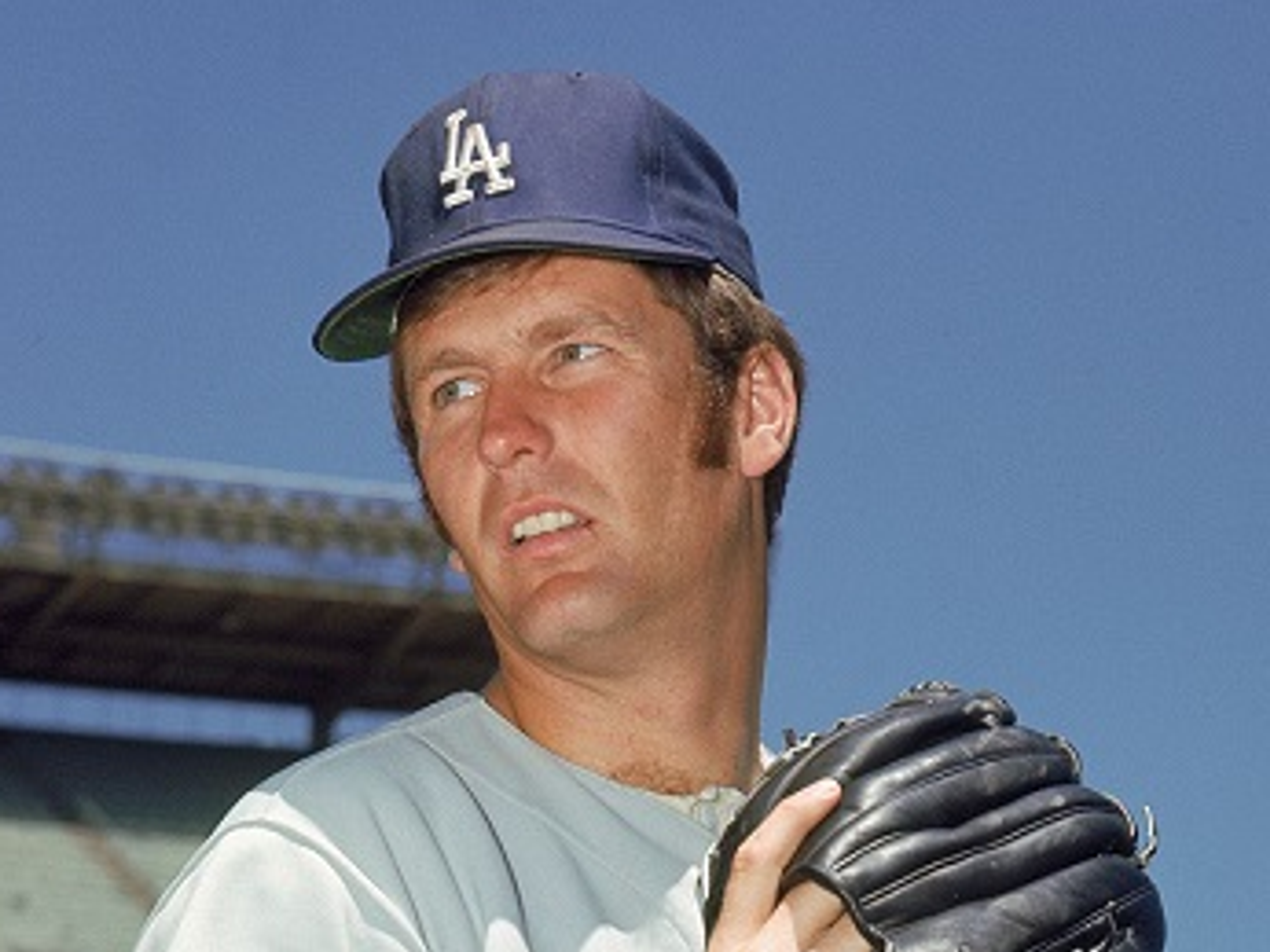
On August 15, 2026, Tommy John died at his home in Bradenton, Florida, at age 83. John spent his final years watching a procedure that once gave him roughly a 1-in-100 chance of pitching again become one of the most consequential procedures in sports medicine, helping thousands of athletes return to competition.
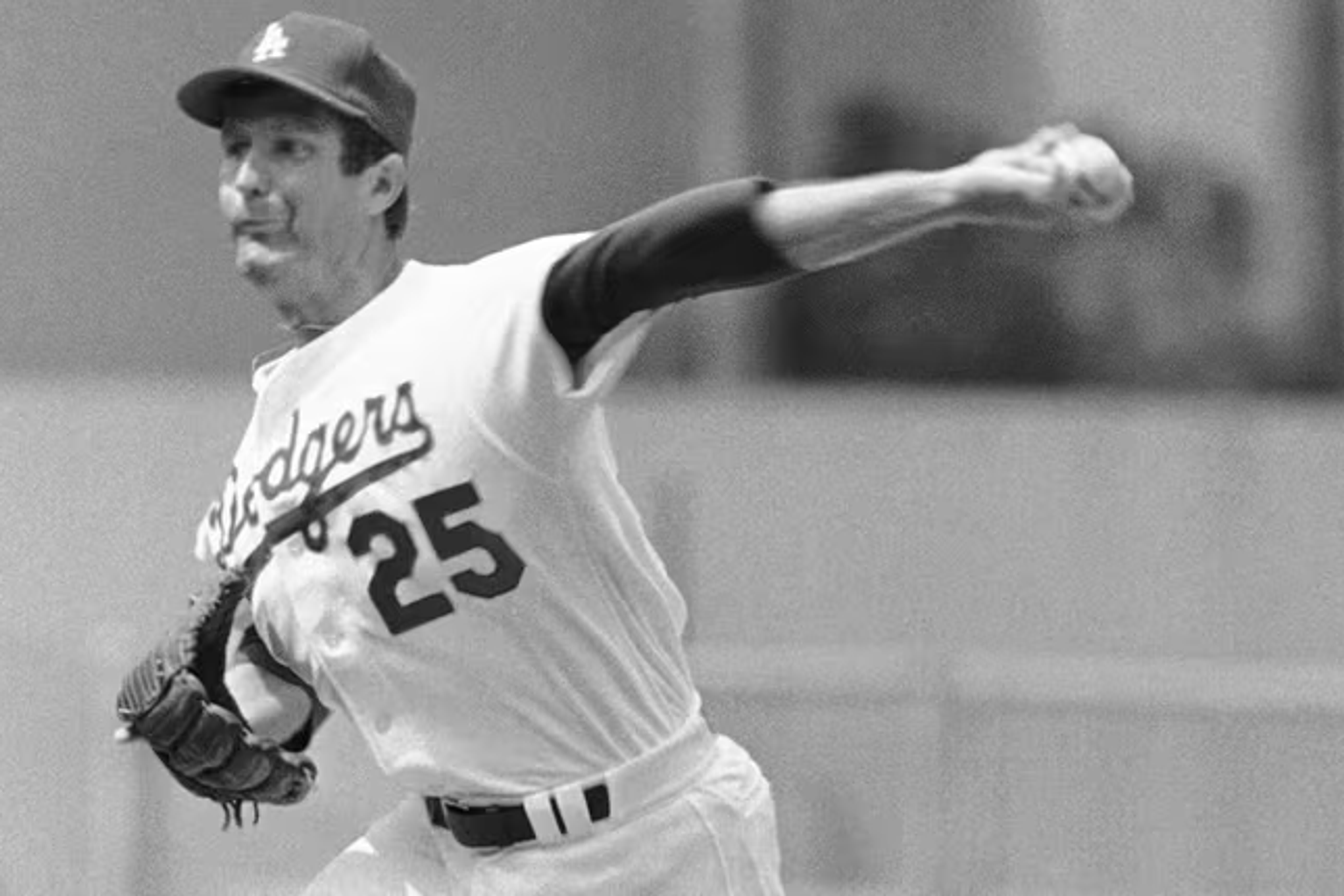
The story starts on July 17, 1974. Pitching for the Los Angeles Dodgers against the Montreal Expos, John threw a pitch to Hal Breeden and felt something give way in his left elbow. He walked off the mound and told his manager he had hurt his arm. The injury was later identified as a ruptured ulnar collateral ligament (UCL), an injury that, at the time, was widely considered career-ending for pitchers.
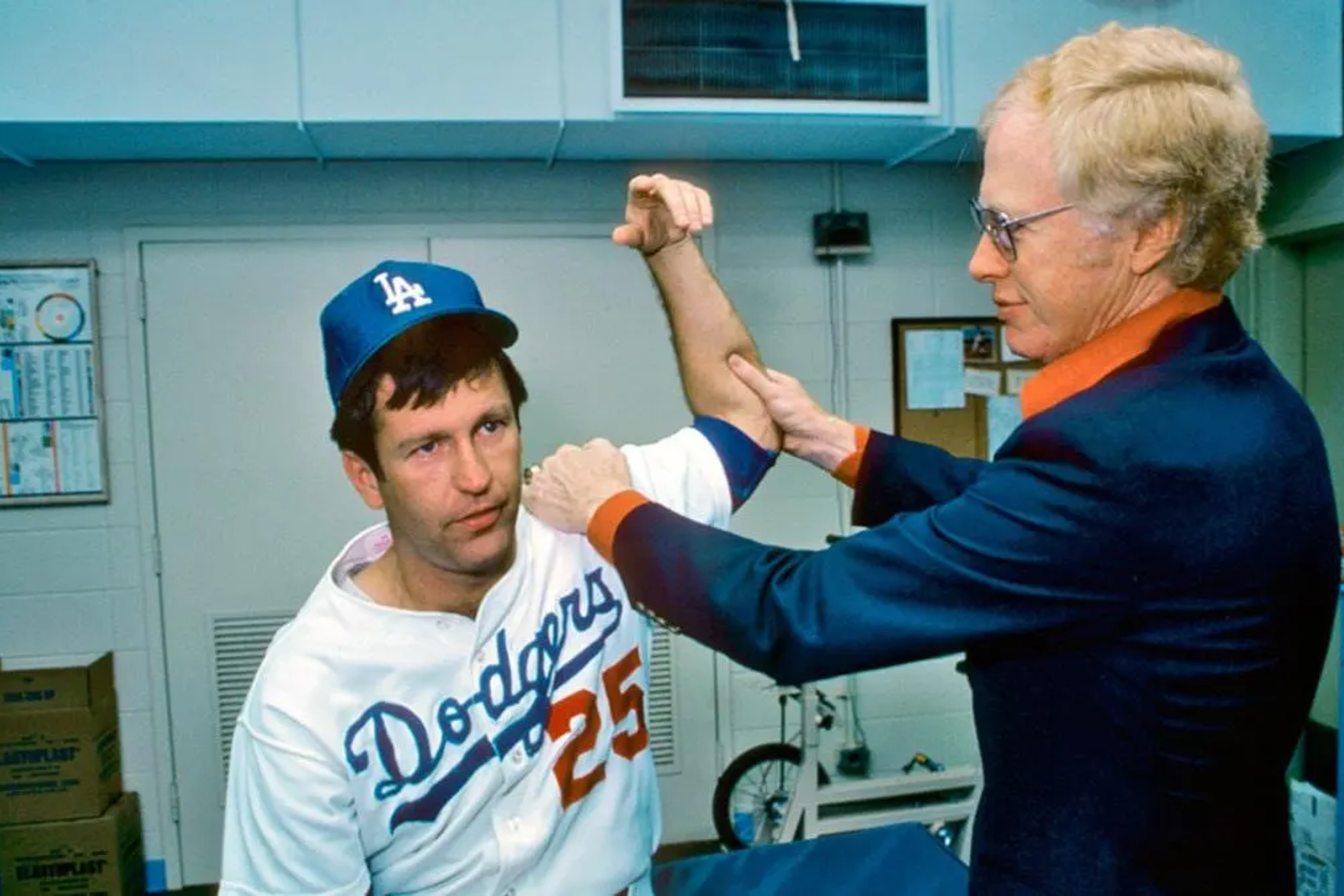
John was 31 years old and in the middle of a strong season. After roughly eight weeks of rest and treatment that failed to restore his ability to pitch, Dodgers team physician Dr. Frank Jobe proposed something that had never been attempted on a pitcher's elbow: reconstructing the damaged ligament using a tendon taken from elsewhere in John's own body.
What Is the UCL, and Why Does It Fail?
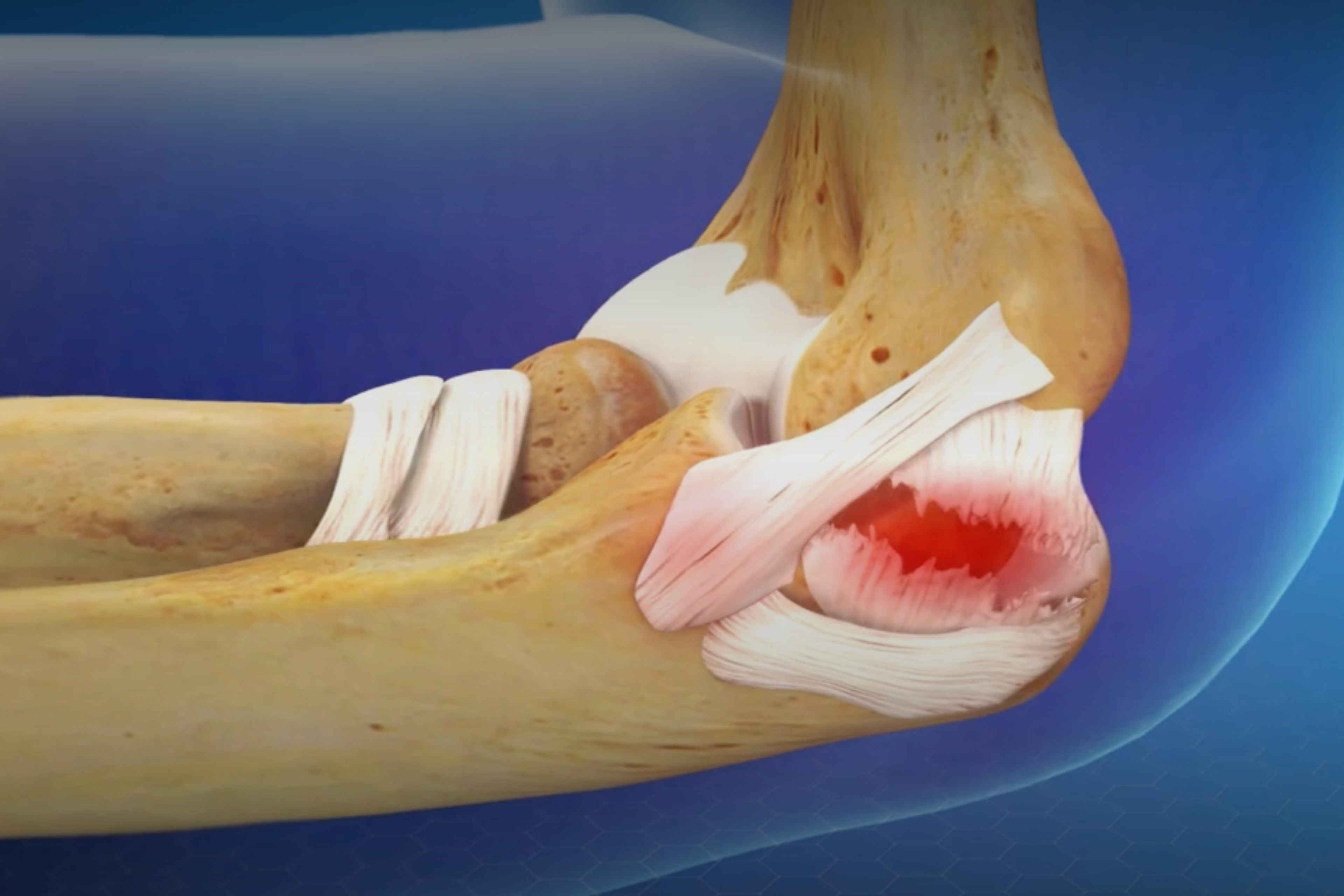
The ulnar collateral ligament sits on the inner, or medial, side of the elbow. Its primary role is to stabilize the joint against valgus stress, particularly during the high-force phases of overhead throwing.
For throwing athletes, UCL injuries can develop through repeated loading over time. High-velocity throwing places substantial stress on the ligament, and cumulative tissue damage can eventually contribute to structural failure. In some cases, an athlete sustains a sudden injury even though the underlying tissue may already be compromised.
That distinction matters. A UCL injury can appear to happen on a single pitch, but the final failure does not necessarily mean the ligament was completely healthy until that moment. Repetitive throwing places pitchers at particular risk due to the enormous volume and intensity of overhead throws over the course of a season and career.
The Surgical Decision
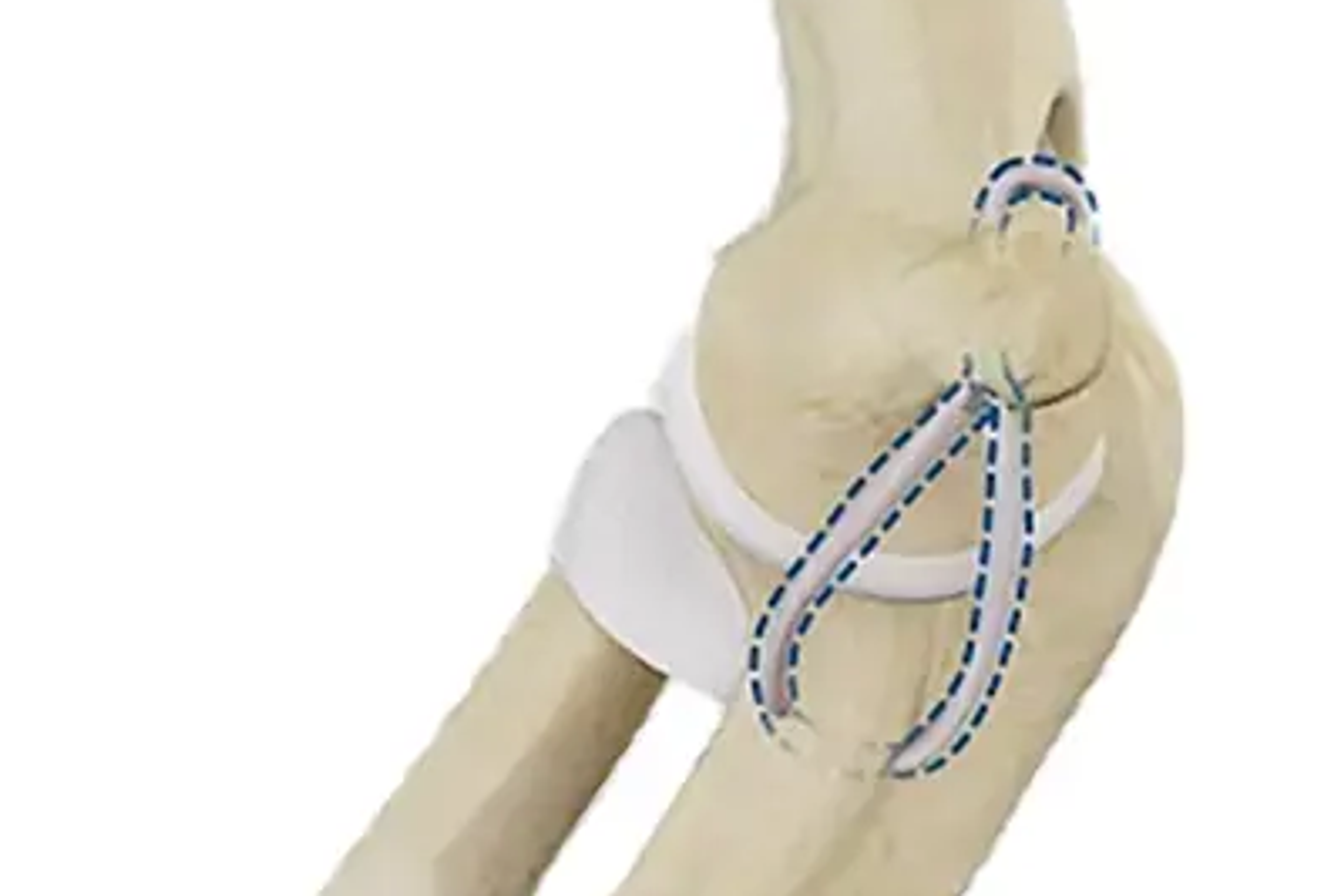
Jobe's proposed solution, later formalized as ulnar collateral ligament reconstruction, involved drilling tunnels through the humerus and ulna and passing a replacement tendon through them in a basic figure-eight configuration to recreate the stabilizing function of the damaged ligament.
On September 25, 1974, Jobe performed the experimental operation. He harvested a tendon from John's right wrist and used it to reconstruct the damaged left UCL. Jobe later recalled giving John approximately a 1-in-100 chance of successfully returning to pitching.
The recovery was far from straightforward. John developed problems involving the ulnar nerve, which runs along the inner side of the elbow and supplies sensation and motor function to parts of the hand. A second procedure was eventually required to address the nerve problem before his rehabilitation could continue.
John's arm remained immobilized in a cast for months as he and Jobe essentially developed the rehabilitation process alongside the new operation. There was no established return-to-throwing protocol because nobody had successfully returned to professional pitching after the procedure before.
More than 50 years later, modern UCL reconstruction still uses the fundamental idea Jobe pioneered: replacing a damaged UCL with a tendon graft secured through the bones of the elbow. Depending on the surgical technique and patient, grafts may be taken from the forearm or hamstring, or obtained from a donor.
Rehabilitation: Phase by Phase
Modern UCL rehabilitation is not a single universal protocol. The exact timeline depends on the surgical technique, graft, athlete, injury characteristics, and surgeon. But recovery can be understood through several broad stages.
Phase 1 · Weeks 0–6
Protection & Early Motion
Immediately after reconstruction, the elbow is protected while the graft begins the healing process. Once cleared by the surgical team, controlled range-of-motion exercises are introduced alongside work for the hand, wrist, shoulder, and surrounding musculature. The objective is to protect the reconstruction while gradually restoring movement and preventing unnecessary loss of strength elsewhere in the arm.
Phase 2 · Weeks 6–12
Strength Foundation
As protection is gradually reduced, rehabilitation shifts increasingly toward restoring range of motion and rebuilding strength throughout the elbow, forearm, shoulder, and upper body. Throwing is still off the table. At this stage, the focus is on establishing the physical foundation required for the more demanding stages of rehabilitation to come.
Phase 3 · Months 3–5
Advanced Strengthening
Resistance training becomes progressively more demanding. Rehabilitation also incorporates the shoulder, trunk, hips, and lower body to restore the kinetic chain involved in throwing. The exact point at which throwing begins varies considerably between protocols and athletes, so there is no single month at which every pitcher should start an interval throwing program.
Phase 4 · Months 4–9+
Throwing Progression
Once the athlete reaches the appropriate rehabilitation milestones, a closely supervised throwing program can begin. Distance, volume, and intensity are increased gradually, eventually progressing from flat-ground throwing toward mound work. This is one of the most carefully monitored stages of recovery. The athlete must regain not only strength and range of motion, but also the ability to repeatedly tolerate the forces associated with pitching. The transplanted tendon also undergoes biological remodeling after reconstruction. This process involves changes in the graft's cellular and structural properties as it adapts to its new role.
Phase 5 · Months 9–18+
Return to Competition
The final stage involves progressing from mound work to live hitters and eventually competitive innings. Pitchers must rebuild physical capacity along with command, velocity, workload tolerance, and confidence in the reconstructed elbow.
Return-to-Play Timeline
Tommy John's own comeback took far longer than most modern recoveries, partly because neither the surgical technique nor the rehabilitation science now associated with UCL reconstruction existed yet. John and Jobe were effectively developing the protocol as they went.
John eventually returned to the major leagues on April 16, 1976. He went on to pitch for another 14 seasons, winning 164 games after the operation and finishing his career with 288 victories.
What the Research Says
Modern outcome data has transformed what was once considered a career-ending diagnosis into one of the more treatable major injuries in professional baseball.
- Return to play is high after primary UCL reconstruction. Recent medical reviews report that approximately 80–97% of professional and MLB pitchers return to competition after reconstruction, generally around 12–14 months.
- Returning to the same level is less certain. The percentage of athletes who return to their pre-injury level of performance is lower, with recent reviews reporting approximately 67–87%.
- Revision surgery is more difficult. A second reconstruction on the same elbow generally carries less predictable outcomes and a longer recovery than a primary procedure because the elbow has already undergone surgery and the available tissue and bone may have been altered.
The numbers are a remarkable contrast to the uncertainty surrounding John's original operation…
The Verdict
What began as a desperate, experimental gamble on a 31-year-old pitcher with no established surgical alternative became one of the most consequential procedures in the history of sports medicine.
Jobe did not simply save one career. He pioneered a surgical concept that transformed how throwing athletes with severe UCL injuries could be treated. More than five decades later, UCL reconstruction remains a cornerstone of elbow sports medicine.
Tommy John's own recovery was slower and more complicated than most modern cases. He dealt with an ulnar nerve complication and spent roughly two years away from the major-league mound before finally returning in April 1976.
But the most remarkable part of the story came afterward.
John didn't simply return.
He won 164 more games.
He pitched for another 14 seasons.
And he finished with 288 career victories.
The surgery that had been given a 1-in-100 chance of working had not merely allowed him to pitch again. It had changed what was medically possible in professional baseball.
Notable Players and Success Stories
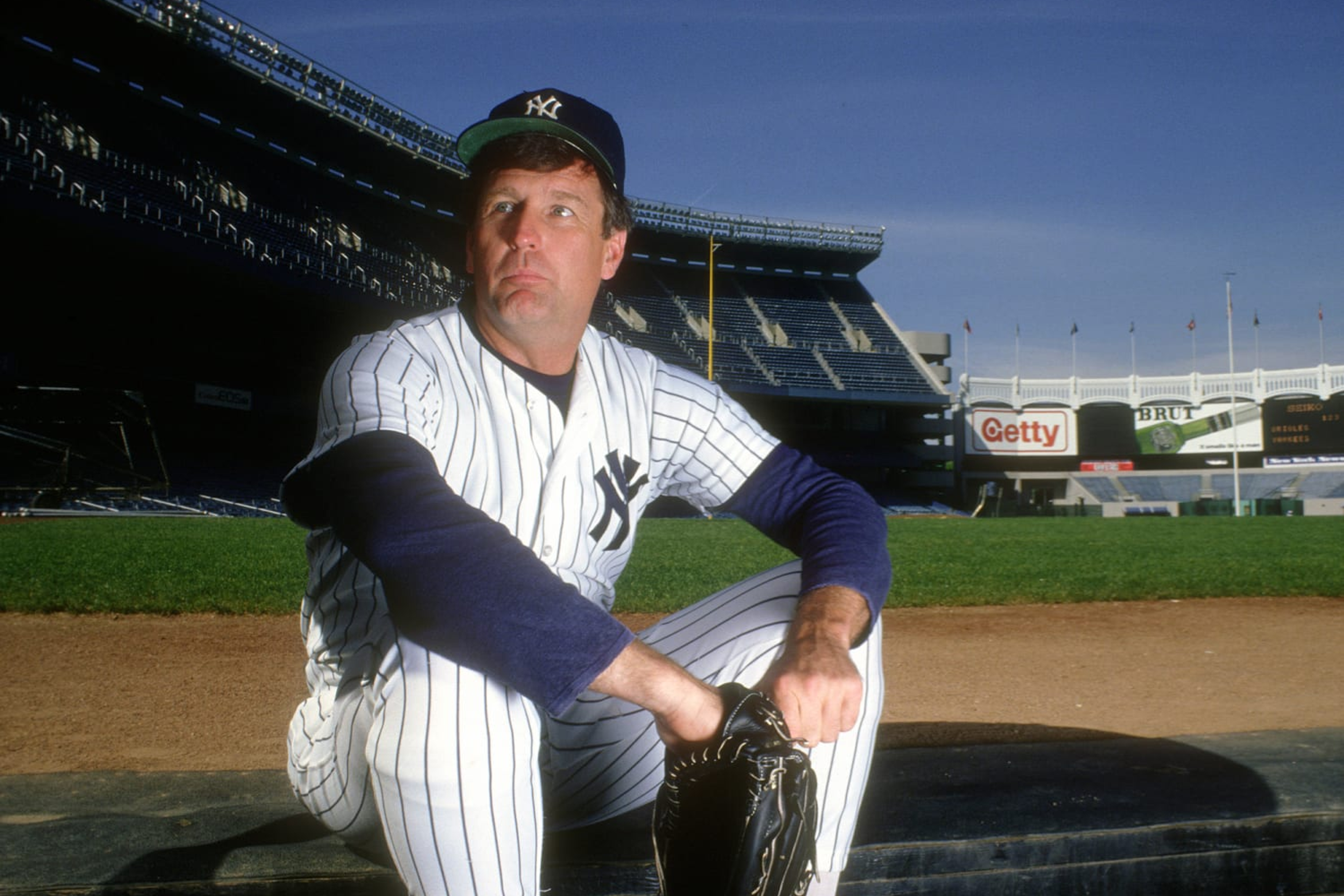
The list of pitchers who have rebuilt their careers following UCL reconstruction now includes some of the biggest names in baseball.
John Smoltz underwent Tommy John surgery in 2000 and returned to pitch for another nine seasons. He ultimately became the first pitcher elected to the Baseball Hall of Fame after undergoing UCL reconstruction.
Jacob deGrom underwent his first Tommy John surgery in 2010 and went on to become a two-time Cy Young Award winner. In 2023, after suffering another UCL tear, he underwent a second elbow reconstruction.
Justin Verlander underwent Tommy John surgery in 2020 before returning in 2022 and producing another elite season, winning the American League Cy Young Award.
Shohei Ohtani underwent UCL surgery on his right elbow in 2018 and another major elbow procedure in 2023. Because the exact surgical techniques differed, the two procedures should not simply be treated as identical Tommy John reconstructions. His ability to return as a two-way player has nevertheless made his elbow history one of the most closely watched examples of modern baseball rehabilitation.
Gerrit Cole is another recent example. Cole underwent Tommy John surgery in March 2025 and returned to Major League action in May 2026, roughly 14 months later.
Tarik Skubal, Chris Sale, and countless other pitchers also belong to the growing group of professional players who have undergone UCL reconstruction at some point in their careers.
The number of pitchers who have returned from one, and in some cases two, UCL reconstructions to pitch at an elite level is perhaps the clearest measure of how far the procedure has evolved since Frank Jobe first attempted it on Tommy John's elbow in 1974.