

The Incident
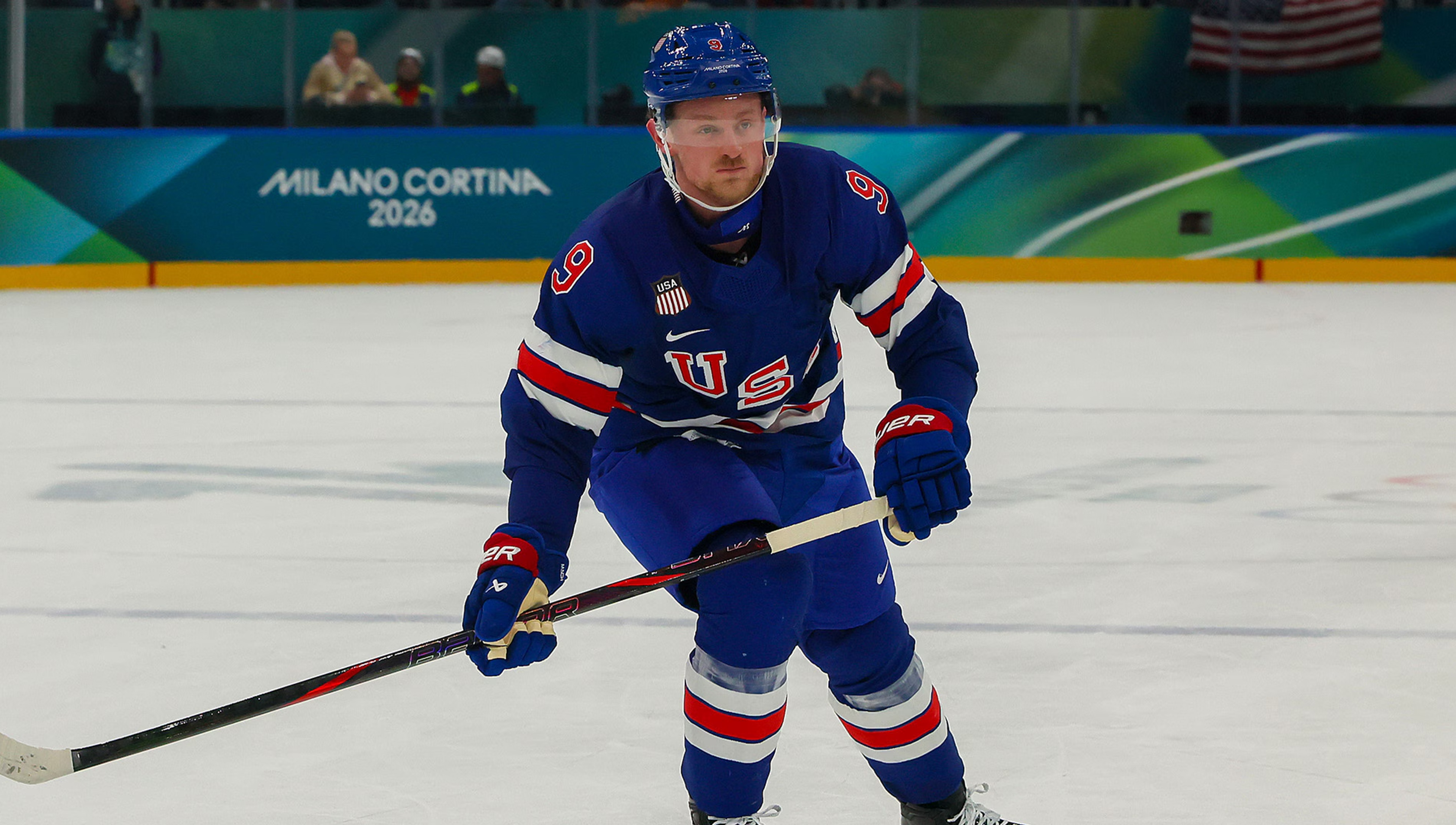
In July 2026, Patrick Kane returned to the Chicago Blackhawks, the franchise where his NHL career began, signing a two-year contract to continue playing into his late 30s. Just three years earlier, however, in the spring of 2023, Patrick Kane was, by his own description, essentially playing “one-legged.”
The problem had been building for years. Kane first began experiencing significant hip pain during the Chicago Blackhawks’ 2020 playoff run in the NHL bubble in Edmonton. He continued playing through it for the next three seasons, but by 2022–23, the limitations had become impossible to ignore.
The timing could hardly have been more complicated. In February 2023, the Blackhawks traded Kane to the New York Rangers after 16 seasons in Chicago and three Stanley Cup championships. He produced 12 points in 19 regular-season games with New York, but the hip pain continued to affect his skating and explosiveness. In the playoffs, he recorded six points in seven games as the Rangers were eliminated by the New Jersey Devils in the first round.
Despite a solid statistical showing, Kane’s right hip was structurally impinged, meaning the head (ball) of the femur was making abnormal contact with the socket. Over time, that abnormal contact had contributed to cartilage deterioration and accelerated degeneration of the joint. Dr. Edwin P. Su, the surgeon who ultimately performed Kane’s operation, described the joint as having undergone accelerated deterioration from years of wear combined with the underlying structural problem.
On June 1, 2023, exactly one month after the Rangers’ Game 7 loss, Kane underwent hip resurfacing surgery at the Hospital for Special Surgery in New York.
The procedure was expected to require four to six months of recovery.
Notably, for Kane, the objective was not simply to regain function. It was to preserve the possibility of continuing his NHL career at the elite level he had played at for so long.

What Is Femoroacetabular Impingement?
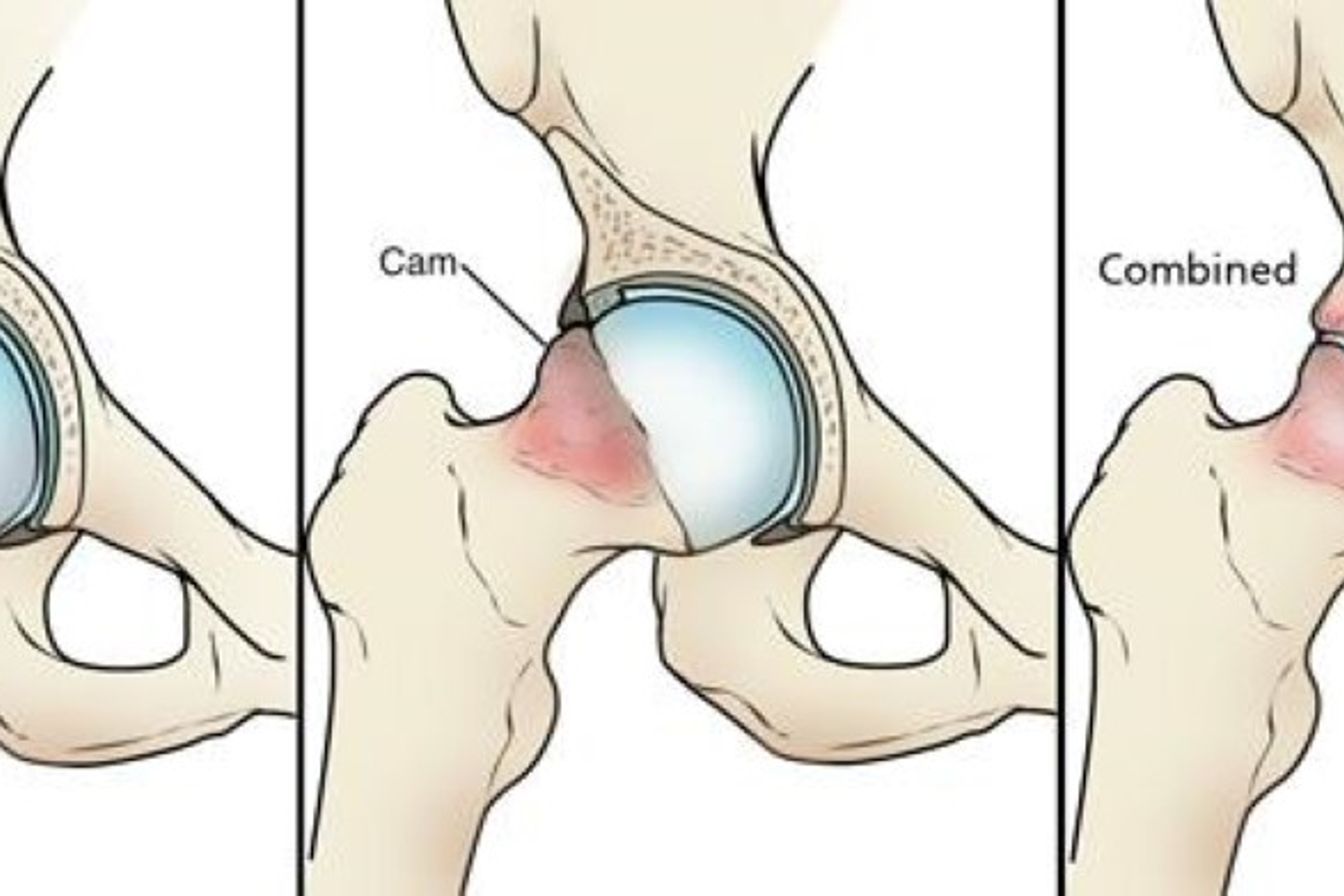
Femoroacetabular impingement, or FAI, occurs when the shape of the femoral head and/or acetabulum causes abnormal contact within the hip joint.
The hip is a ball-and-socket joint. In a healthy hip, the femoral head (ball) rotates smoothly inside the acetabulum (socket). With FAI, structural abnormalities can cause the two surfaces to come into contact abnormally, particularly during deep flexion and rotation.
That repeated contact can damage the labrum, the ring of cartilage that helps stabilize the hip joint. Over time, this may contribute to degenerative changes and osteoarthritis.
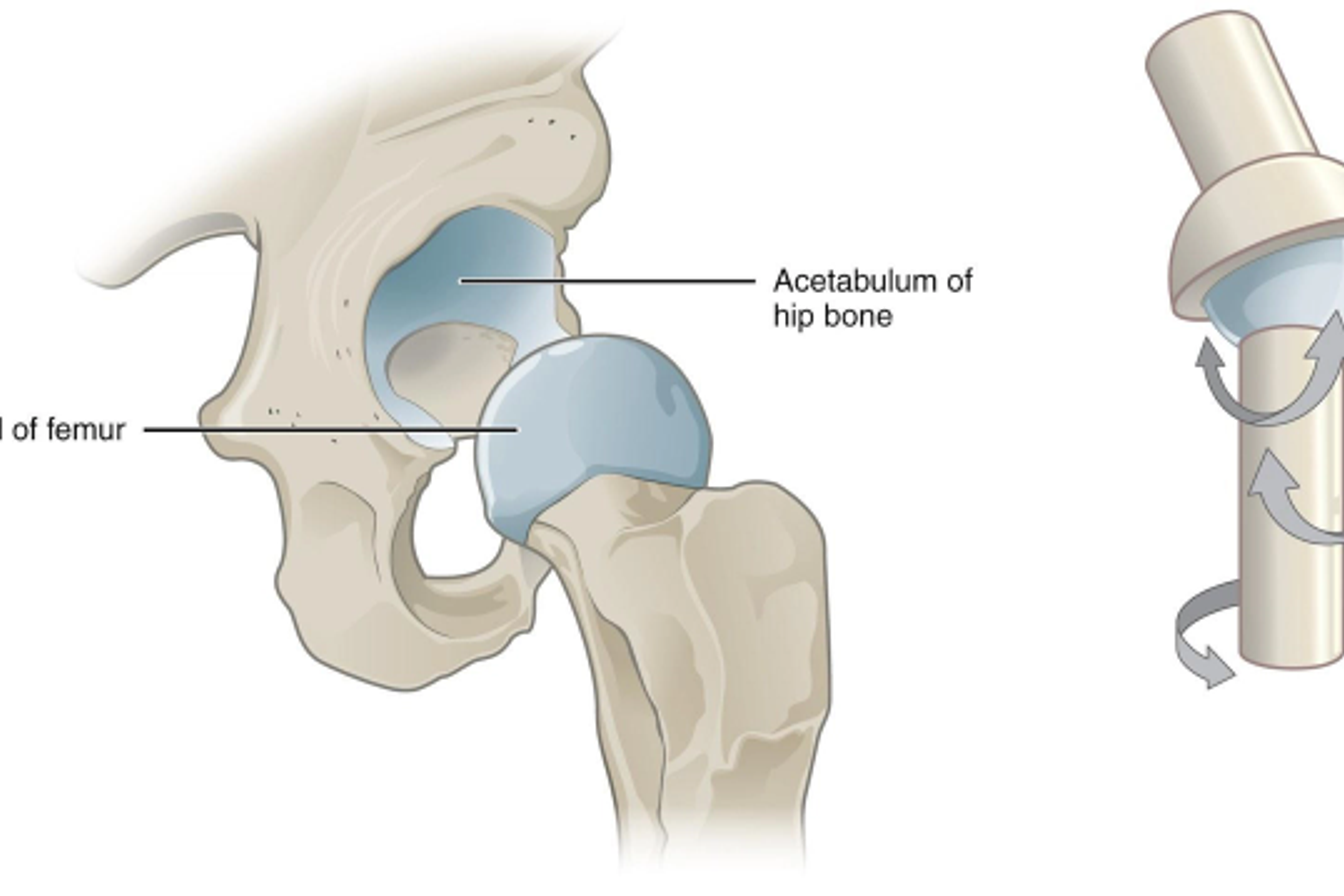
For hockey players, the hip is subjected to particularly demanding combinations of flexion, rotation, abduction and force production. The skating stride repeatedly loads the hip while the athlete generates lateral force and controls the pelvis over a relatively small base of support.
Therefore, Kane's case was not simply a matter of having FAI. By the time he underwent surgery, the joint had deteriorated sufficiently that a hip-preservation procedure such as arthroscopy was no longer the solution. His surgeons instead chose hip resurfacing.
Why Hip Resurfacing?
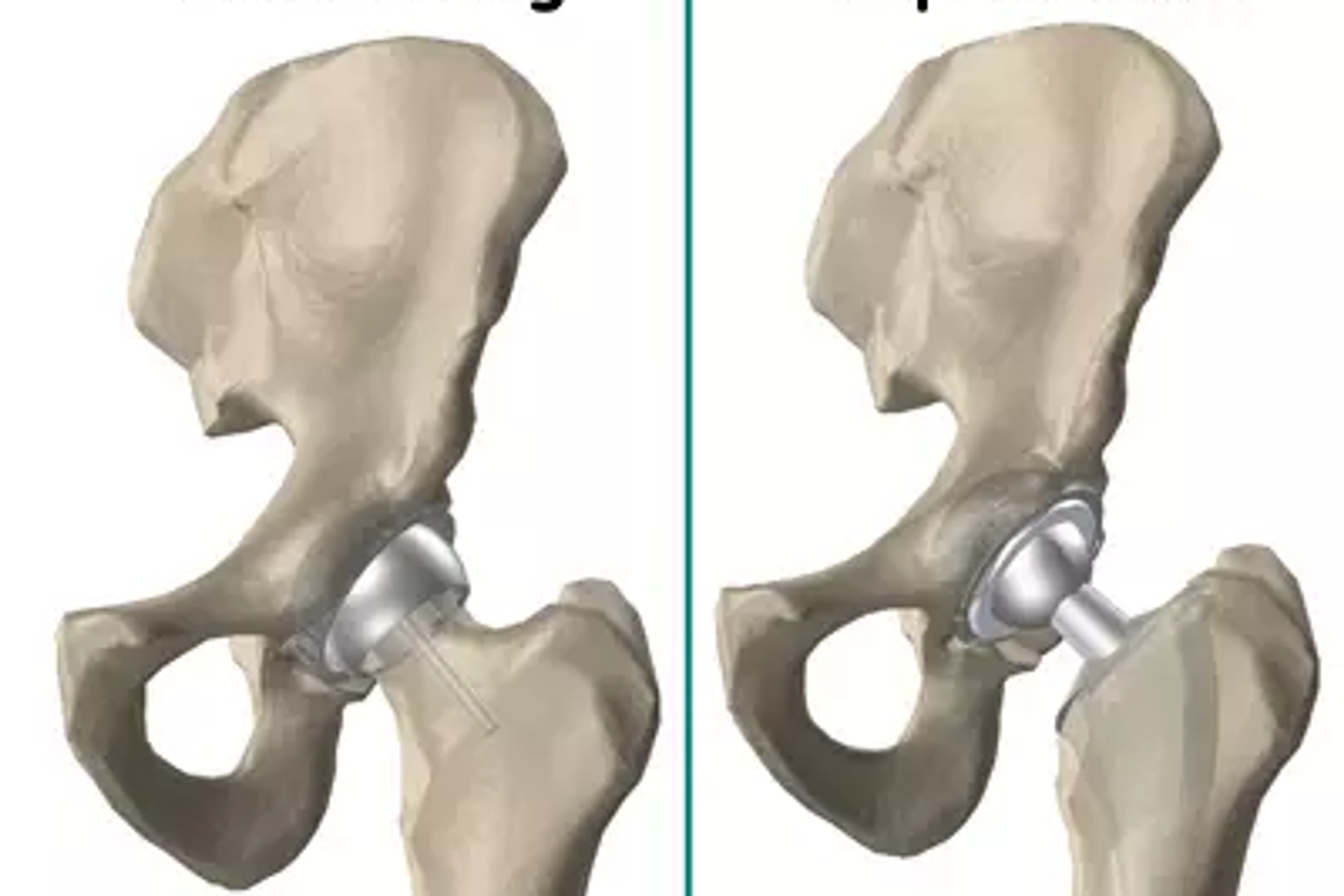
Hip resurfacing is an alternative to total hip replacement.
In a conventional total hip replacement, the femoral head is removed and replaced with a prosthetic ball attached to a stem inserted into the femur. In resurfacing, the femoral head is preserved. The damaged bone is reshaped and capped with a metal component, while the damaged acetabular surface is replaced with a metal shell.
The distinction mattered for Kane.
At 34, he was much younger than the typical patient undergoing joint-replacement surgery, and he wanted to continue playing professional hockey. Preserving more of the femoral bone gave him a different surgical option from a traditional total hip replacement.
It was also an unusually specialized choice. According to HSS, hip resurfacing represented less than 1% of hip replacements performed annually in the United States at the time.
Kane was not the first NHL player to undergo the procedure. Nicklas Bäckström had undergone hip resurfacing in 2022, while Ed Jovanovski had the operation in 2014. Kane consulted Bäckström before making his own decision, trying to understand what the procedure might mean for an NHL career.
But the evidence base was extremely small.
At the time of Kane’s surgery, there was little research specifically examining whether an NHL forward could return from hip resurfacing and continue performing at an elite level. That made Kane’s recovery as much a test of the procedure as it was a rehabilitation challenge.
Rehabilitation: What Made Kane Different?
The standard recovery estimate given to Kane was four to six months. But his actual rehabilitation progressed substantially faster than expected.
Dr. Su later described Kane’s recovery as exceptional. Milestones that the surgical team expected him to reach at approximately three months were achieved in six weeks. Milestones expected at four months were reached at two months. Su said Kane had effectively accelerated the expected timeline by almost half.
"The comeback story we’ve been working on 👀 🏒 Patrick Kane’s 6-month rehab after hip resurfacing surgery."
🔗 View on XThat does not mean every athlete undergoing hip resurfacing should, or could, follow the same timeline.
Rehabilitation following hip resurfacing is individualized according to the patient's surgical findings, strength, symptoms, range of motion, gait, and progression through loading. For an NHL player, the process must eventually address not only basic function but also the extraordinary demands of skating: repeated single-leg loading, lateral force production, rotation, acceleration and deceleration.
A generalized progression would include:
Early Rehabilitation: Weeks 1-6
Protection and Movement
The initial focus is on controlling symptoms, restoring safe mobility and normalizing gait while allowing the surgical site to heal.
Strength Restoration: Weeks 6-12
Rebuilding the foundation
As loading increases, rehabilitation focuses on restoring the strength and coordination of the hip and surrounding musculature. The core, gluteal muscles and other lower-extremity muscles become increasingly important as the athlete progresses toward higher loads.
Advanced Strengthening: Weeks 12-18
Preparing for Hockey Demands
Strength training becomes progressively more demanding, with an emphasis on unilateral control, stability, force production and movement quality.
Skating Progression:
Reintroducing the demands of the sport
Once the athlete has demonstrated sufficient strength and control, skating can gradually be reintroduced. Straight-line skating can progress toward more demanding edge work, acceleration, deceleration and directional changes.
Return to competition
Rebuilding the athlete, not just the hip
The final stage is proving that the joint can tolerate hockey. The athlete must also rebuild conditioning, timing, confidence and the ability to perform at game intensity repeatedly.
Kane's rehabilitation moved through these stages unusually quickly. By September 2023, only 3 months (12 weeks) post-op, he was already demonstrating full-speed skating, puck handling, and shooting in publicly released training footage.

Return-to-Play Timeline
Kane's NHL return came almost exactly six months after surgery.
Detroit signed him to a one-year contract on Nov. 28, and he made his Red Wings debut on Dec. 7 against the San Jose Sharks. He finished the 2023–24 season with 47 points (20 goals and 27 assists) in 50 games.

The comeback did not stop there.
In 2024–25, Kane recorded 59 points in 72 games, including 21 goals. He also scored his 17th career 20-goal season, passing Mike Modano for the most such seasons by a U.S.-born NHL player.
Then, in 2025–26, at 37 years old, Kane recorded 57 points in 67 games.
In July 2026, more than three years after his surgery, Kane returned to the franchise where his NHL career began, signing a two-year, $16 million contract with the Chicago Blackhawks.

What the Research Says
Kane's case needs to be placed in the context of two different bodies of evidence: research on hip arthroscopy for FAI and the much smaller literature on hip resurfacing.
Those procedures are not interchangeable.
Hip arthroscopy is a minimally invasive procedure that uses a small camera and instruments to diagnose and treat problems inside the hip joint, whereas hip resurfacing is a joint-preserving surgery that reshapes the damaged surfaces of the hip and caps them with metal components.
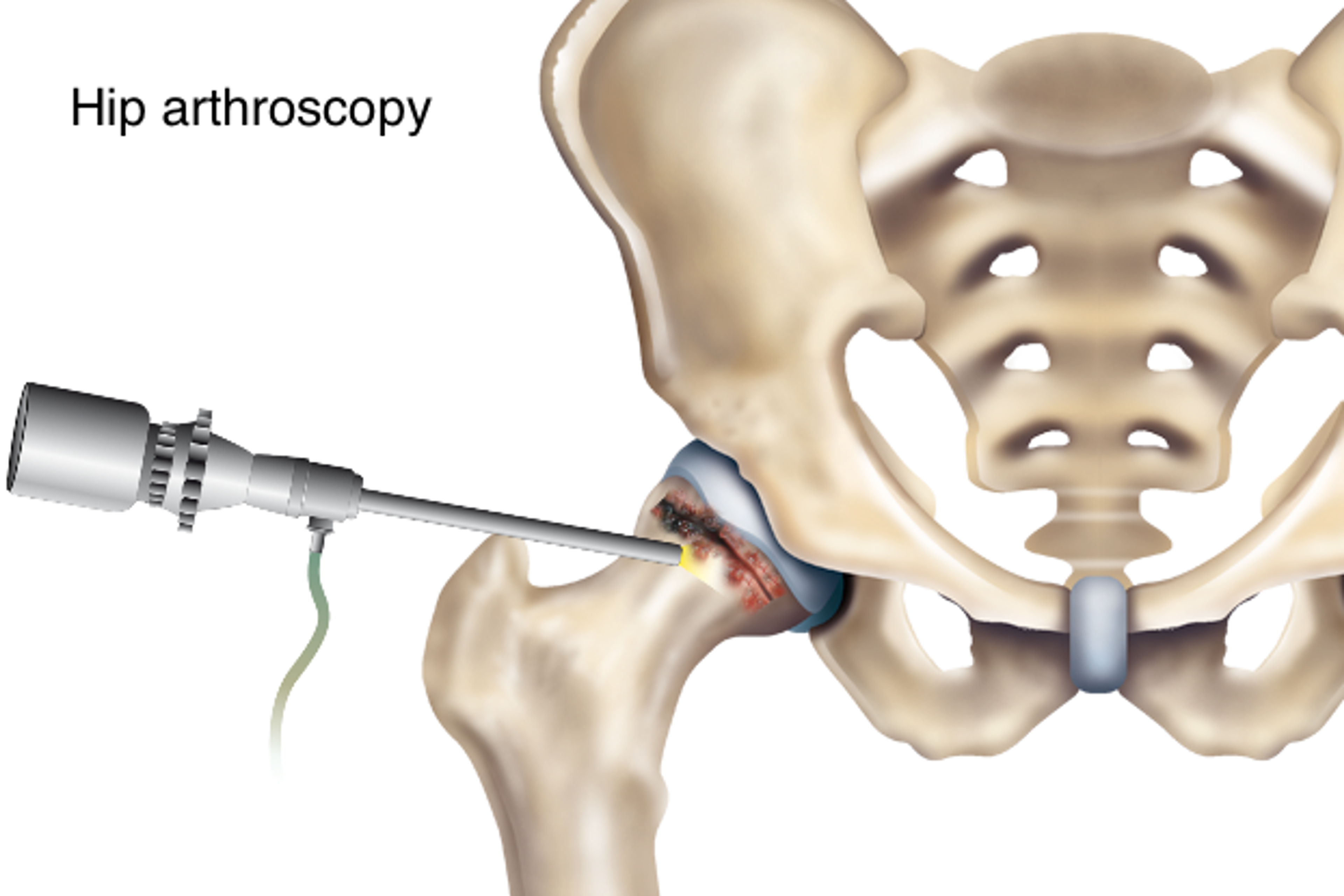
For hip arthroscopy, the return-to-sport literature is relatively substantial. A 2019 study of professional athletes who underwent hip arthroscopy for FAI found that 86.4% returned to sport, at an average of approximately 7.1 months. NHL players, however, showed poorer postoperative performance and shorter careers than matched controls.
More recent NHL-specific research paints a similar picture while providing more precise numbers. A 2025 study of 92 NHL players undergoing hip arthroscopy found an overall return-to-sport rate of 79.3%, rising to 84.9% when players still recovering were excluded. Age mattered considerably: 90% of players younger than 30 returned, compared with 64.3% of players aged 30 or older.
Another study of 80 professional and subelite hockey players found that 96% of professional players returned to hockey by the second season after surgery, although only 28% played at least as many games during the first season after surgery as they had before symptoms developed.
But those numbers describe arthroscopy…not resurfacing.
The evidence for hip resurfacing in professional athletes is much smaller. One published study identified just eight professional athletes who underwent hip resurfacing. All eight returned to sport, while six ( 75%) returned for at least one full professional season. The study's average time to return to competition was approximately 362 days, although the individual timelines varied substantially.
That small sample makes Kane's case particularly unusual.
He returned in approximately six months and subsequently played three more seasons of NHL hockey, including two seasons of at least 57 points.
The research cannot tell us that Kane's outcome is typical. If anything, it shows how unusual his case is.
The Verdict
Patrick Kane's hip surgery was never simply a story about whether he could skate again.
At 34, after years of managing a deteriorating hip, he was choosing a procedure with a relatively small track record among elite professional athletes — and hoping it would allow him to continue competing in one of the most physically demanding sports in the world.
He returned to the NHL six months later.
Then he scored 47 points in 50 games.
He followed that with 59 points in 72 games, then 57 points in 67 games.
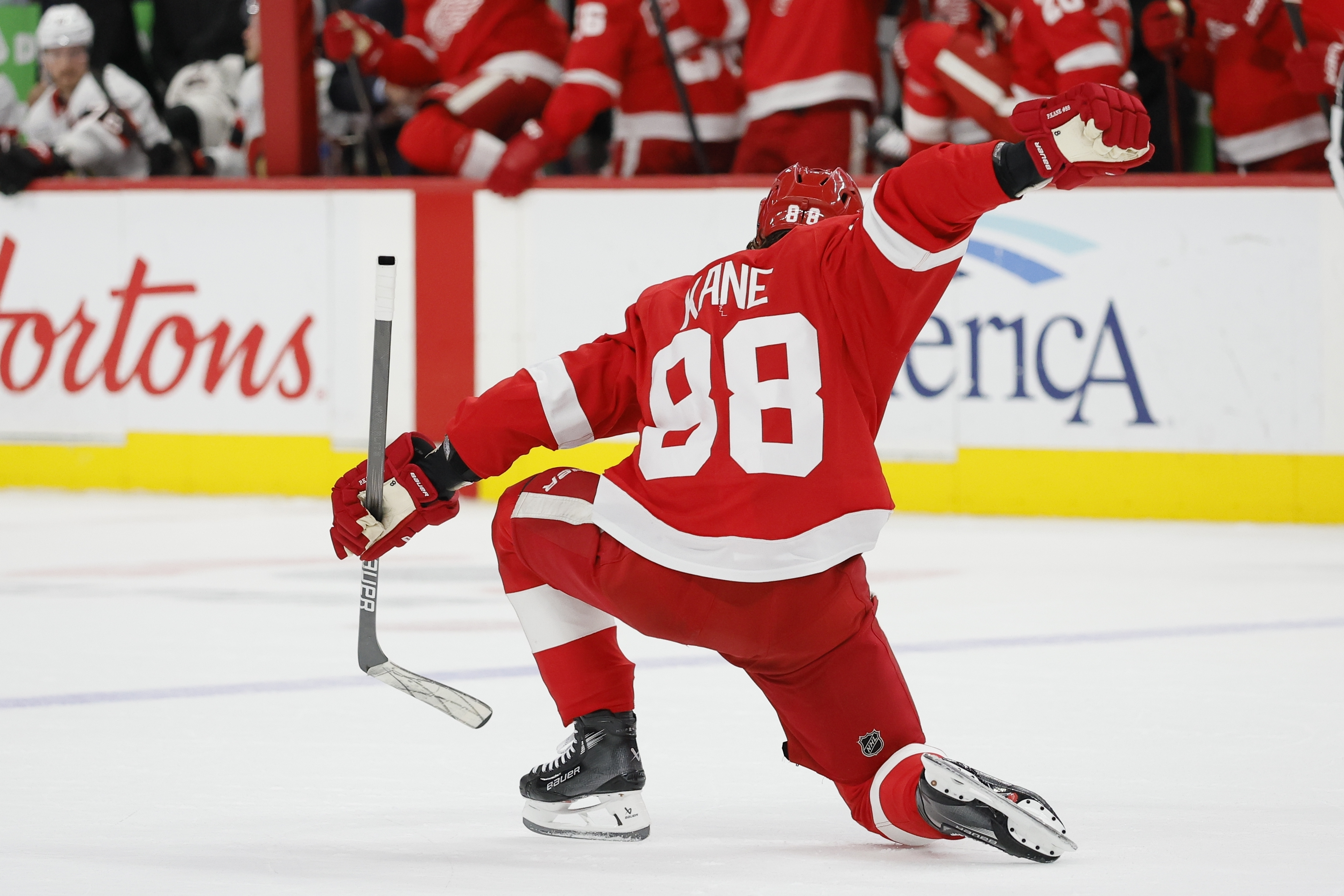
And in July 2026, at 37 years old and more than three years removed from the operation, he signed a two-year contract to return to the Chicago Blackhawks.
That does not make hip resurfacing a guaranteed career-saving procedure. Kane's recovery was unusually rapid, and his outcome should not be treated as a template for every athlete undergoing the operation.
But it does demonstrate what the procedure can make possible in the right patient.
Kane's hip resurfacing did not simply give him another chance to play hockey.
It allowed him to keep playing at the highest level of the sport…and, three years later, to go home.
Notable Players and Success Stories
Kane's comeback is the most prominent NHL example, but he is part of a small group of elite athletes who have attempted to extend their careers following hip resurfacing.
Nicklas Bäckström
Bäckström underwent hip resurfacing in 2022 and returned to the Washington Capitals in January 2023. He played 39 games that season and recorded 21 points. His return provided Kane with one of the most relevant examples of an NHL player attempting to continue his career after the procedure.

Andy Murray
Former world No. 1 tennis player Andy Murray underwent hip resurfacing in January 2019 after previously indicating that his career could be nearing its end. He returned to competition later that year and won the European Open in October 2019, his first ATP Tour singles title since 2017.

Each of these athletes helped challenge the idea that hip resurfacing necessarily represented the end of a high-level sporting career.
Kane, however, has taken that argument further than almost anyone before him.
His recovery was faster. His return was immediate. And, unlike many of the earlier examples, his post-surgical career has extended for several seasons at the highest level of professional hockey.
For a procedure with such a limited track record in elite sport, Kane's case may ultimately become one of its most important reference points.