The Incident
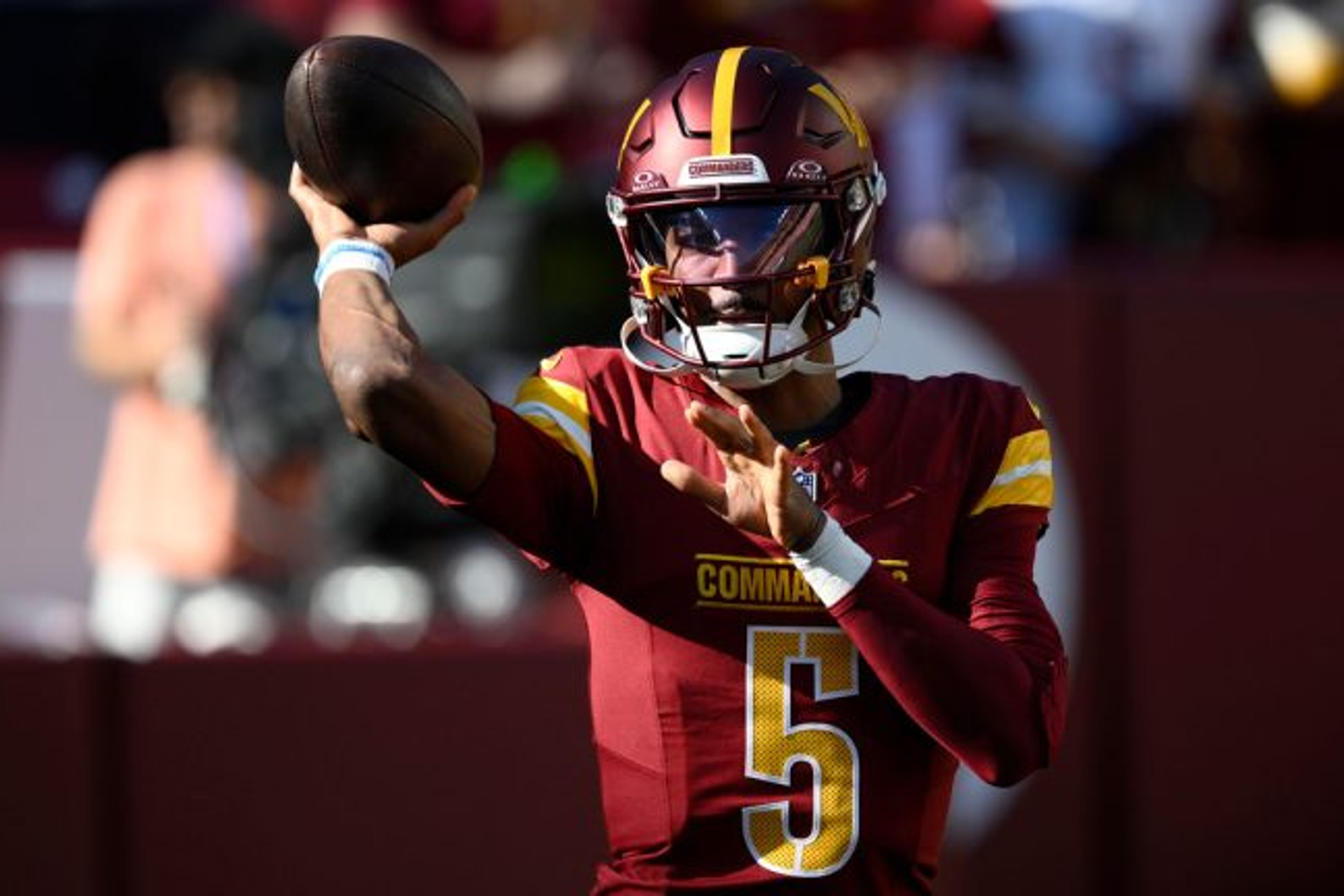
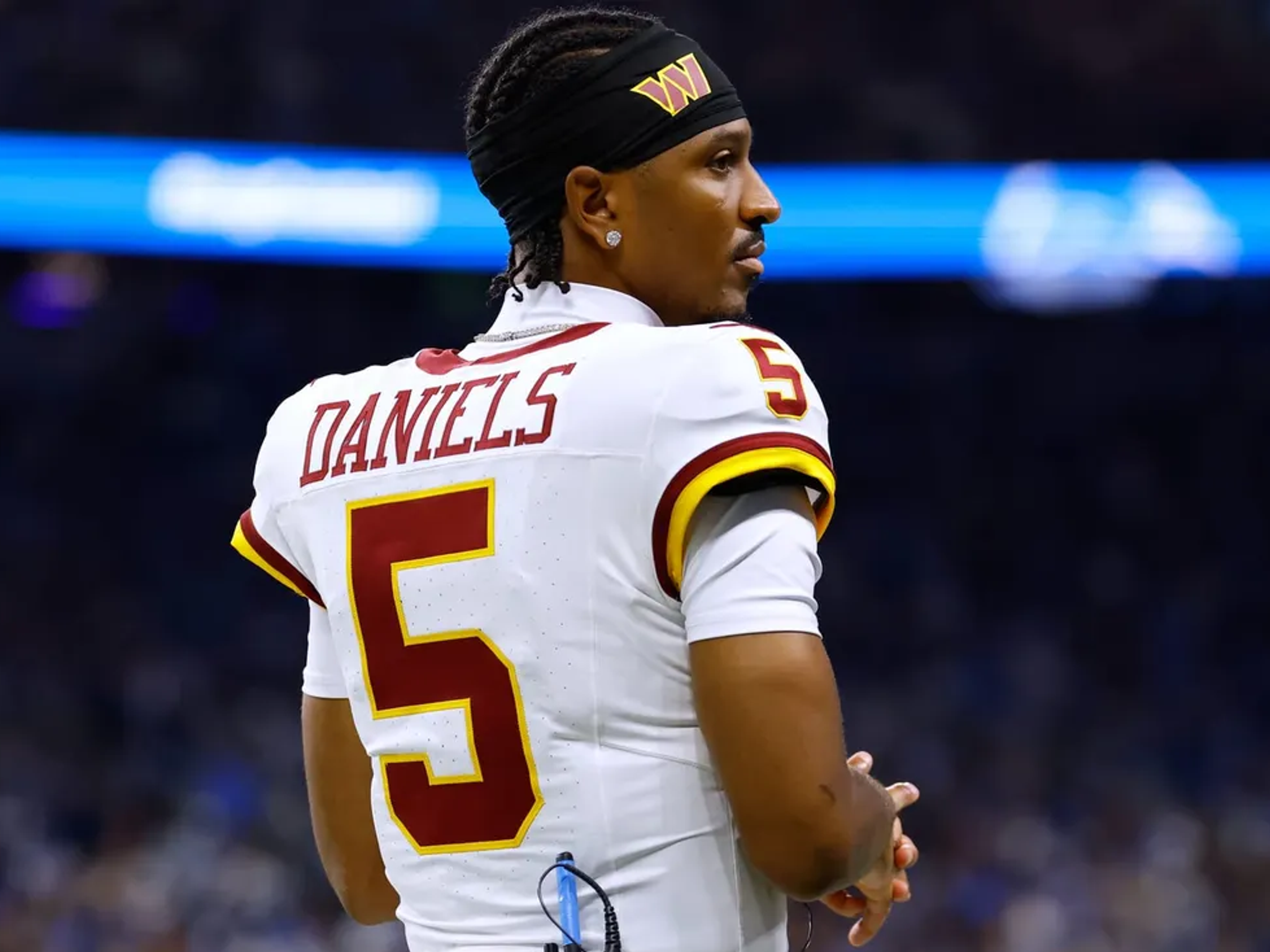
Jayden Daniels’ second left elbow dislocation in less than a year happened in strikingly familiar fashion.
With three seconds remaining in the first half Sunday at AT&T Stadium, Daniels took the snap on third and goal from the Dallas 1-yard line. After left guard Chris Paul appeared to step on his foot, Daniels lost his balance and instinctively reached out with his left arm to brace his fall. His elbow buckled under his body weight, and he immediately grabbed the arm in pain before eventually being carted from the field in an air cast.
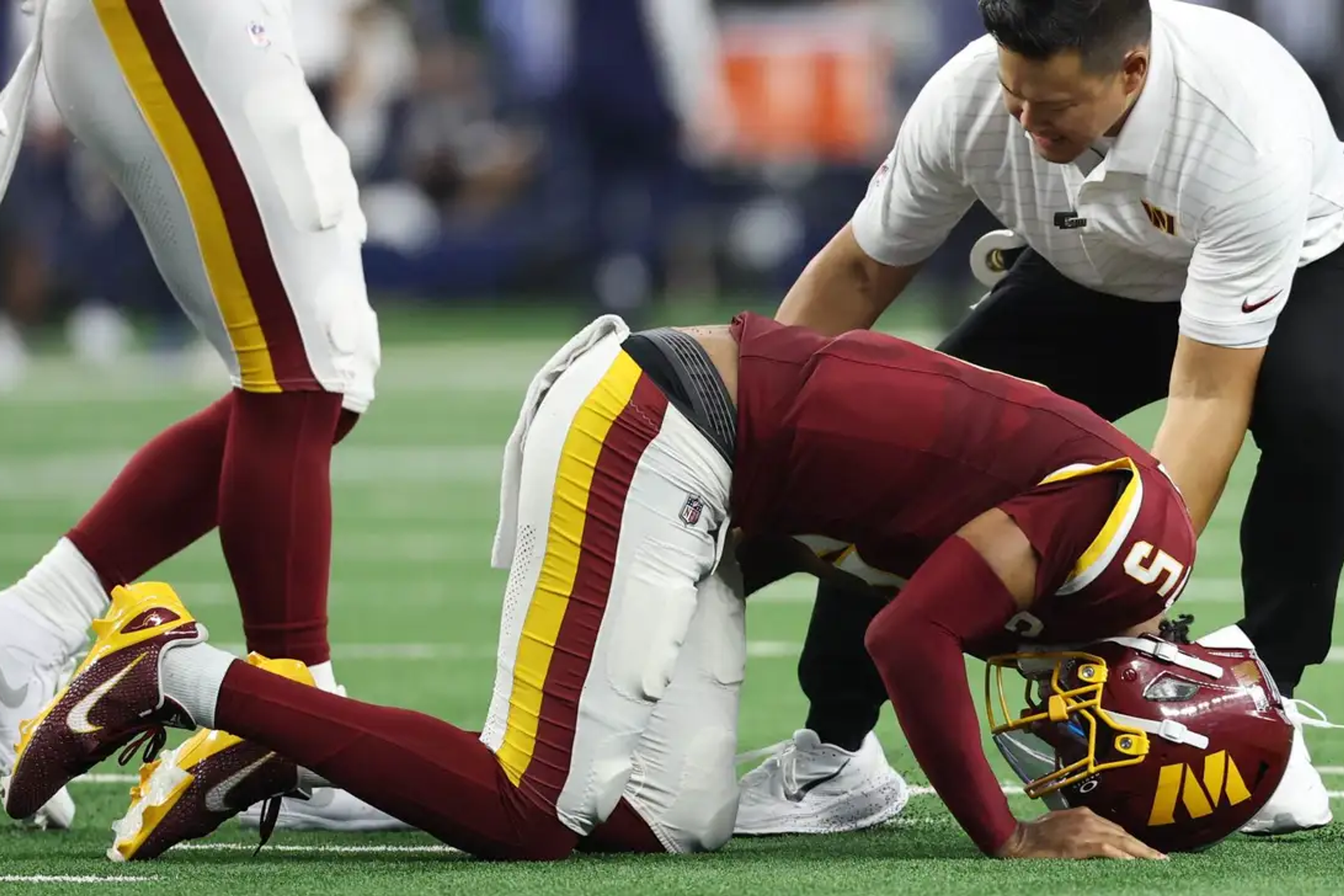
The Commanders went on to lose 37 to 20, but the score quickly became secondary. After the game, head coach Dan Quinn confirmed that Daniels had dislocated his left elbow. Initial X-rays showed no fracture, but additional imaging was scheduled to determine whether there was associated ligament damage and whether surgery would be necessary.
The significance of the injury is not simply that Daniels has suffered another elbow dislocation. It is that he has now dislocated the same elbow twice in less than a year.
The First Injury
Daniels initially dislocated his left elbow on November 2, 2025, against the Seattle Seahawks. He was sacked by linebacker Drake Thomas and landed awkwardly on the arm as he went to the ground. The injury was to his non-throwing arm, and subsequent MRI imaging showed no fracture or ligament damage that required surgery.
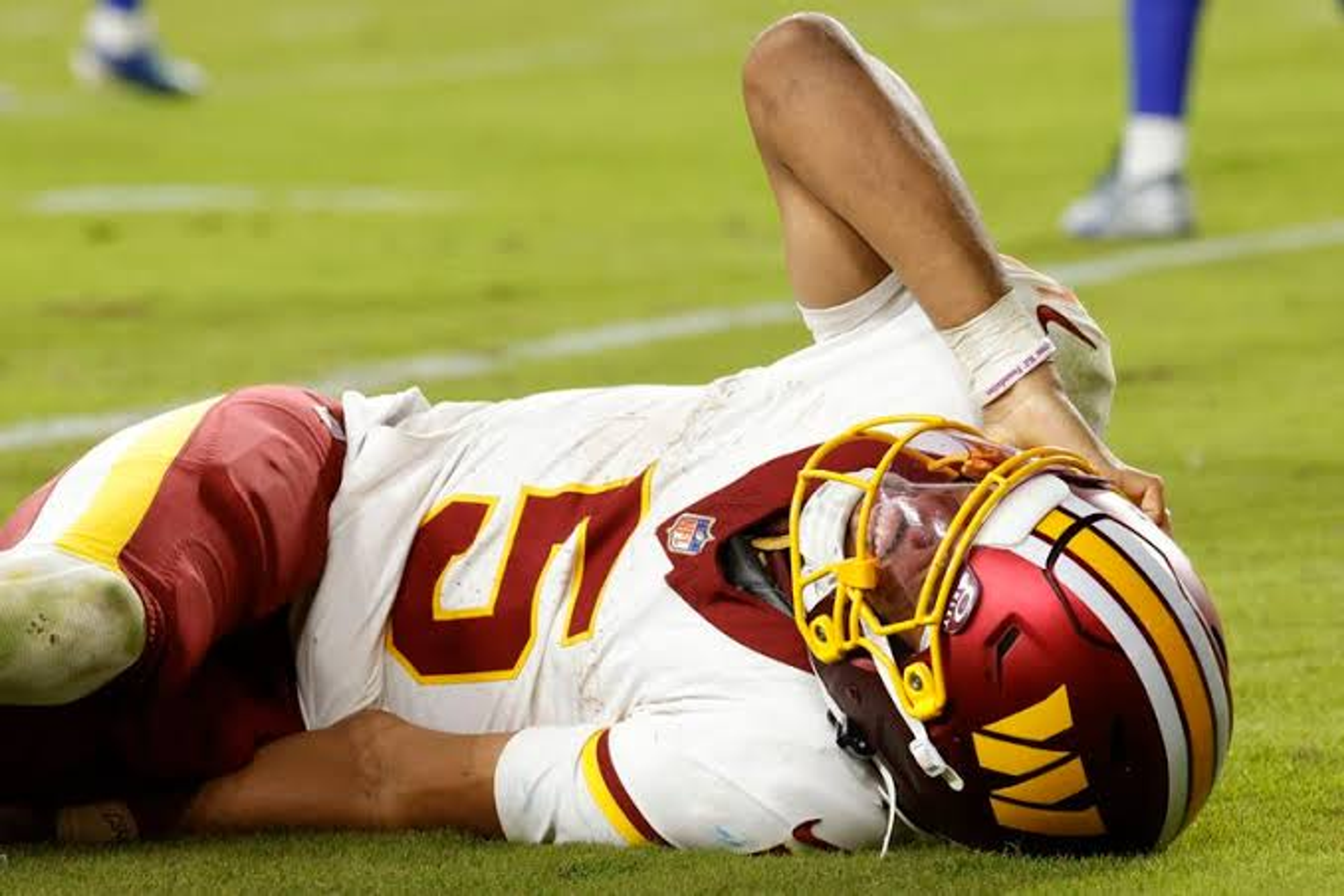
Daniels eventually returned to the field, but the elbow did not make it through the season unscathed.
In Week 14 against the Minnesota Vikings, Daniels aggravated the same elbow after being knocked to the ground during an interception return. He did not return to the game, and Washington ultimately shut him down for the final three games of the season.
At the time, the absence of a major structural injury was encouraging. Daniels had avoided surgery, and there was no documented ligament rupture requiring reconstruction.
But Sunday's injury changes the context.
Why a Second Dislocation Matters
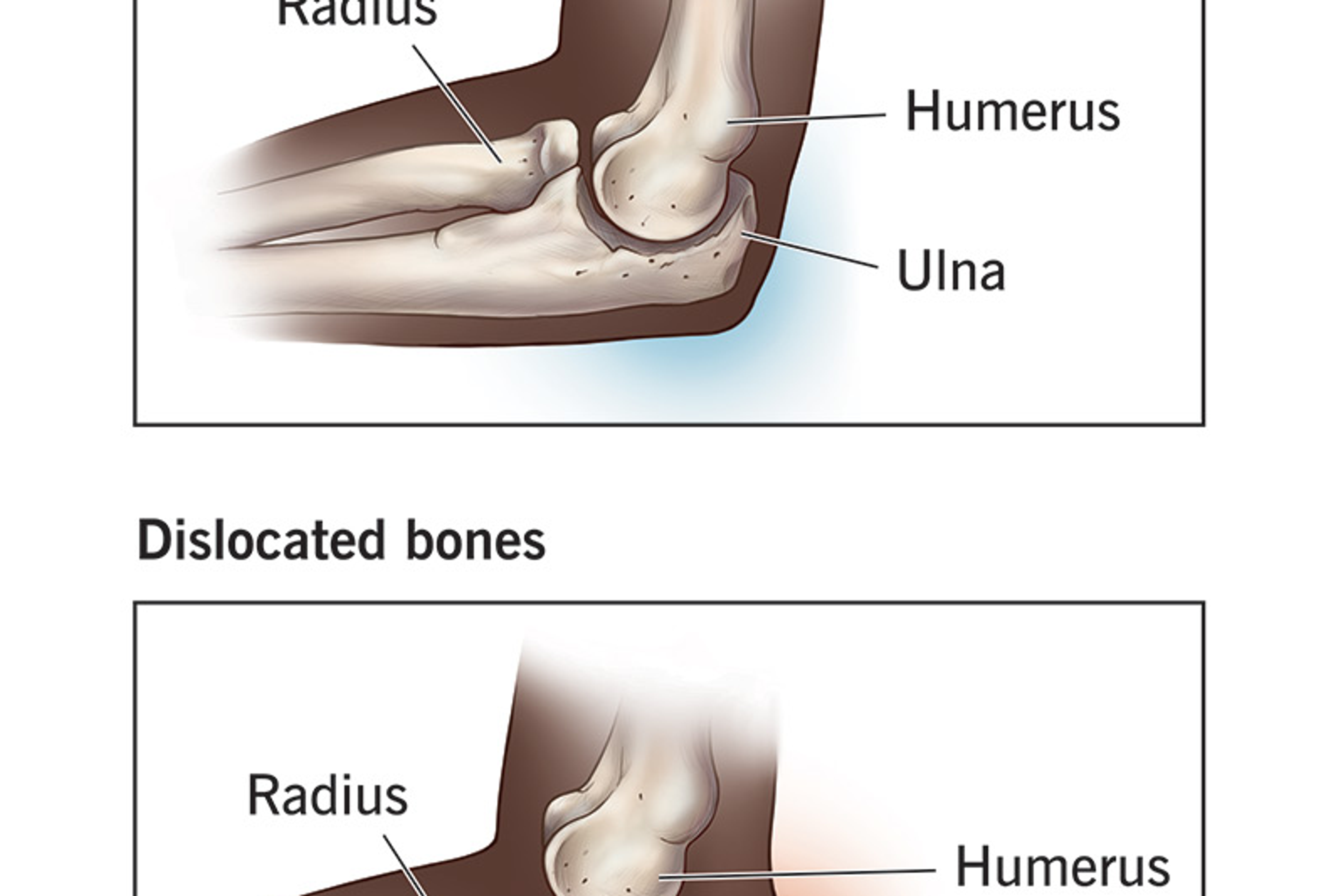
An elbow dislocation is not simply a bone moving out of position. The injury can place substantial stress on the joint capsule and the ligaments that help stabilize the elbow, particularly the lateral ligament complex.
Following an elbow dislocation, the stabilizing tissues can become stretched or lax,i.e., looser. In some patients, that residual laxity can contribute to recurrent instability and subluxation. This is one reason recurrent dislocation is a recognized complication following an initial elbow dislocation.
That distinction is particularly important in Daniels' case.
There is currently no public imaging confirming that residual ligament laxity caused Sunday's injury. It would therefore be premature to say that his elbow dislocated again because the ligament healed improperly. However, recurrent instability is one possible explanation…
The mechanism itself is also notable. Daniels was not subjected to a direct high-energy collision to the elbow. Instead, he lost his balance and attempted to brace his fall with an extended arm. The force generated through the arm was enough to dislocate the joint again.
That makes the condition of the elbow's stabilizing structures especially relevant.
Non-Surgical Rehabilitation
Non-surgical management following an elbow dislocation generally involves a period of protection followed by progressive restoration of range of motion, strength, stability, and functional loading. Rehabilitation is designed to allow the injured tissues to heal while gradually challenging the muscles and structures responsible for maintaining elbow stability.
For athletes with uncomplicated elbow dislocations, the overall prognosis can be favourable, i.e., return to action in 6-10 weeks. A recent systematic review involving athletes with elbow dislocations reported very high rates of return to sport, with non-operative cases generally returning sooner than surgical cases.
However, Daniels' situation is different from that of an athlete experiencing a first-time, uncomplicated dislocation. He has now experienced recurrent injury to the same elbow. That history will be an important consideration when determining whether another conservative approach provides sufficient stability for an NFL quarterback.
Surgical Stabilization
Surgery becomes a greater consideration when recurrent instability is associated with significant ligament insufficiency or other structural damage.
For elbow instability, surgical treatment can involve repair or reconstruction of the damaged ligament complex. Reconstruction typically uses a tendon graft to restore the stabilizing structures of the elbow.
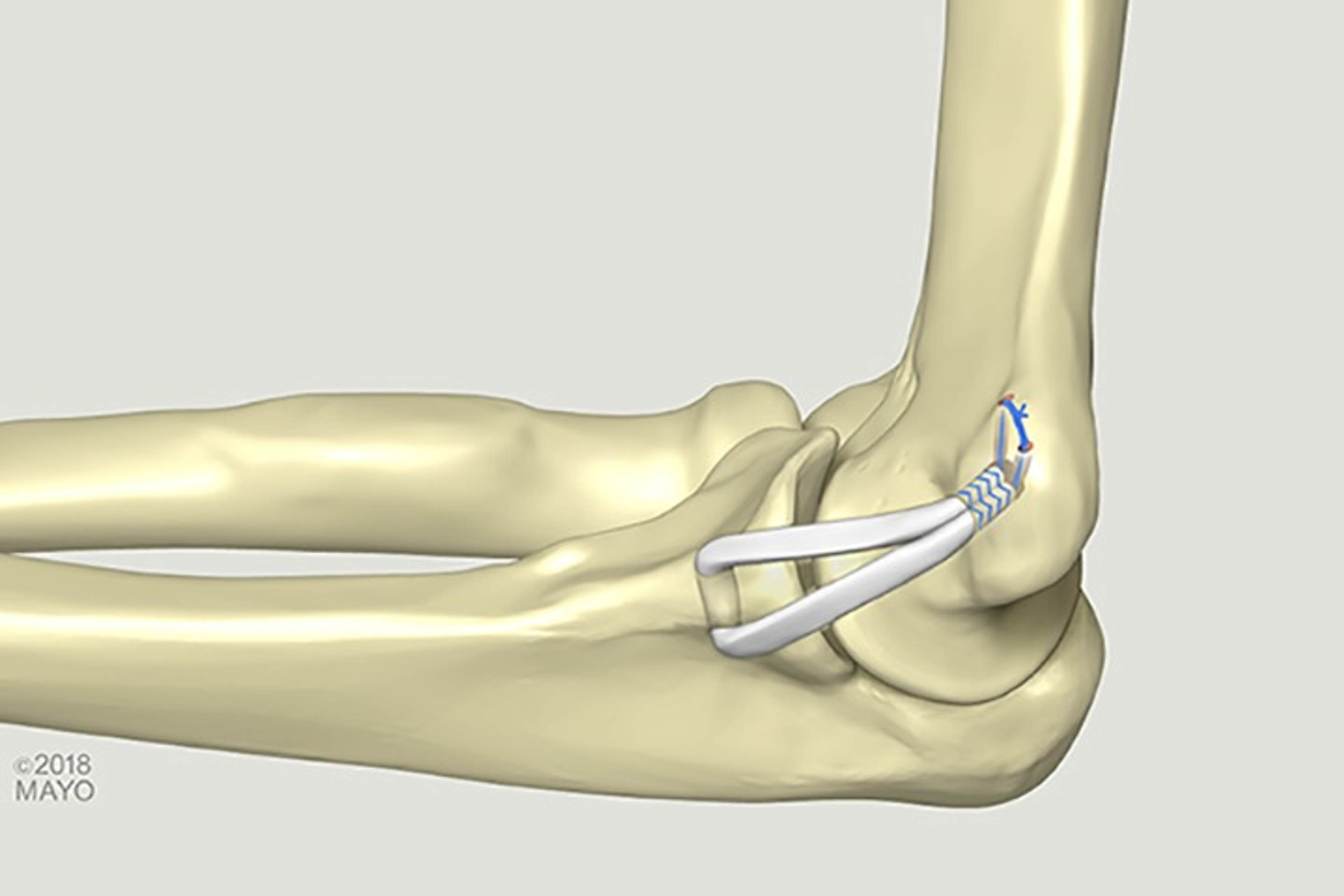
The rehabilitation timeline is substantially longer (6-12 months) than that of a straightforward dislocation. Depending on the exact procedure and the structures involved, return to sport can take many months rather than several weeks.
That does not mean surgery is automatically the appropriate choice for Daniels. It means the decision becomes more complicated when an athlete has demonstrated recurrent instability.
The central question is no longer simply whether the elbow can be reduced and allowed to heal. It is whether the joint can provide enough stability to withstand the demands of professional football.
The Bigger Question
The same joint has now dislocated on two separate occasions within roughly 11 months.
A first-time elbow dislocation can often be managed successfully without surgery. A second dislocation raises a different clinical question: whether the elbow has enough stability to safely tolerate the demands of an NFL quarterback.
This decision for Daniels and the Commanders will determine the exact rehabilitation timeline, which, for now, remains uncertain.
Ultimately, Daniels’ recovery will depend on what the additional imaging reveals, but a second dislocation of the same elbow makes restoring long term joint stability the central priority moving forward.