The Incident(s)
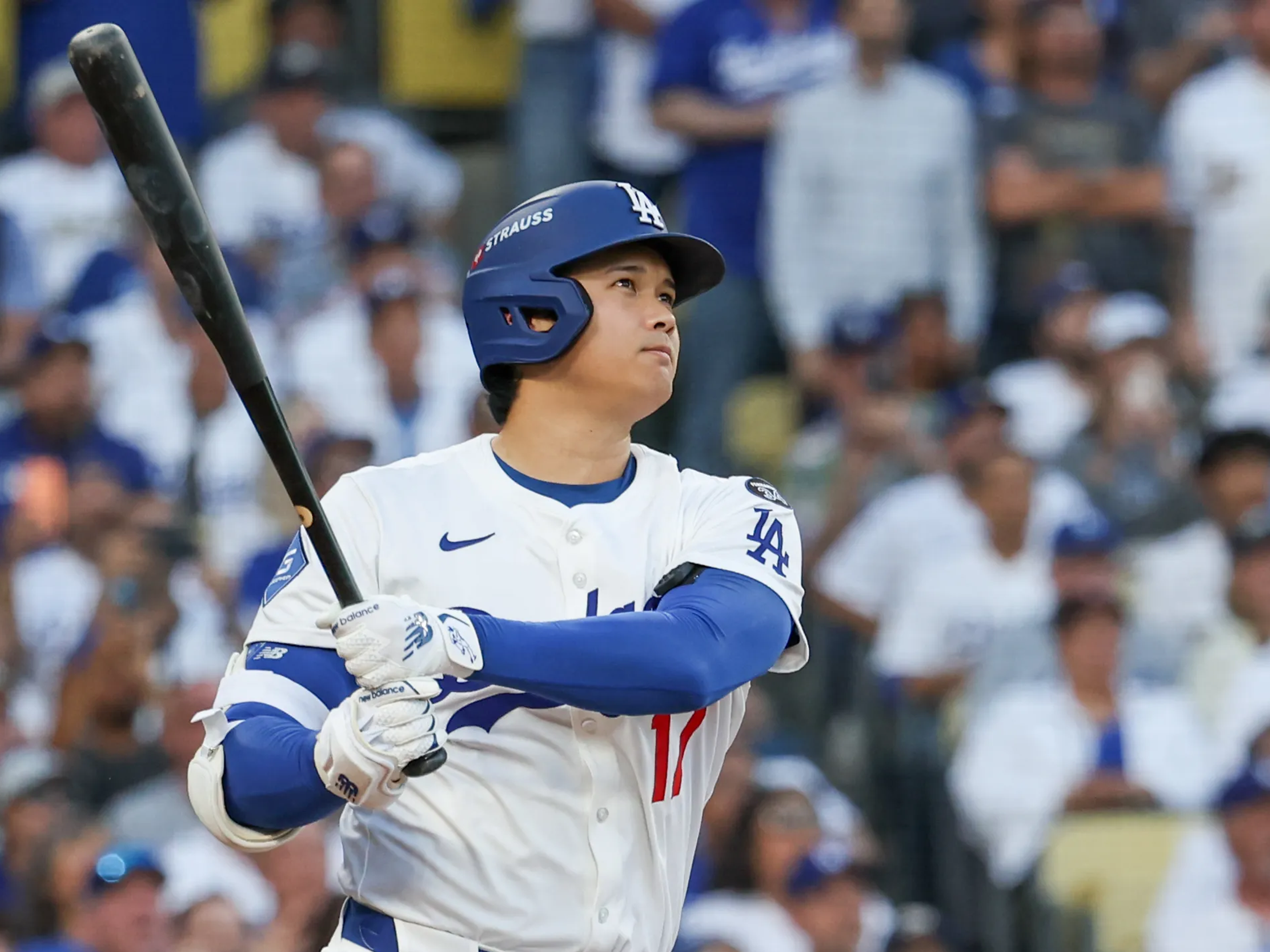
Every other case study on this site starts with a single moment, a plant, a landing, a tackle. Shohei Ohtani's 2026 season doesn't have one of those. Instead, it has a slow accumulation of red flags across three unrelated body parts, arriving in a sport where he is asked to do the job of two players at once.
The first sign came on June 11, 2026, during a Dodgers game in Pittsburgh: irritation in his left knee that didn't go away. It got bad enough that Los Angeles scratched him from his final scheduled pitching start before the All-Star break, though he stayed in the lineup as designated hitter throughout; the knee was clearly a bigger problem on the mound than at the plate.
Over the break, doctors drained fluid from the knee and gave him a lubricating injection (a viscosupplementation shot, of the kind commonly sold under the brand name Orthovisc) intended to ease the joint irritation. He missed the All-Star Game as a result. He returned to pitch once, on July 3, and afterward the Dodgers shut him down from pitching for the rest of the season to protect the knee, keeping him in the lineup exclusively as a hitter from that point on.
That might have been the whole story. It wasn't. By early September, Ohtani was also dealing with soreness in his right biceps and his neck, issues that, according to reporting at the time, had not improved over several weeks, along with lingering left hip discomfort. On September 8, the Dodgers placed him on the 15-day injured list, officially for right biceps inflammation. Because he is a two-way player, MLB rules required the 15-day list rather than the 10-day version reserved for position players. Manager Dave Roberts said the team was targeting September 23, the final week of the regular season, for his activation.
Three Different Structures, One Common Thread
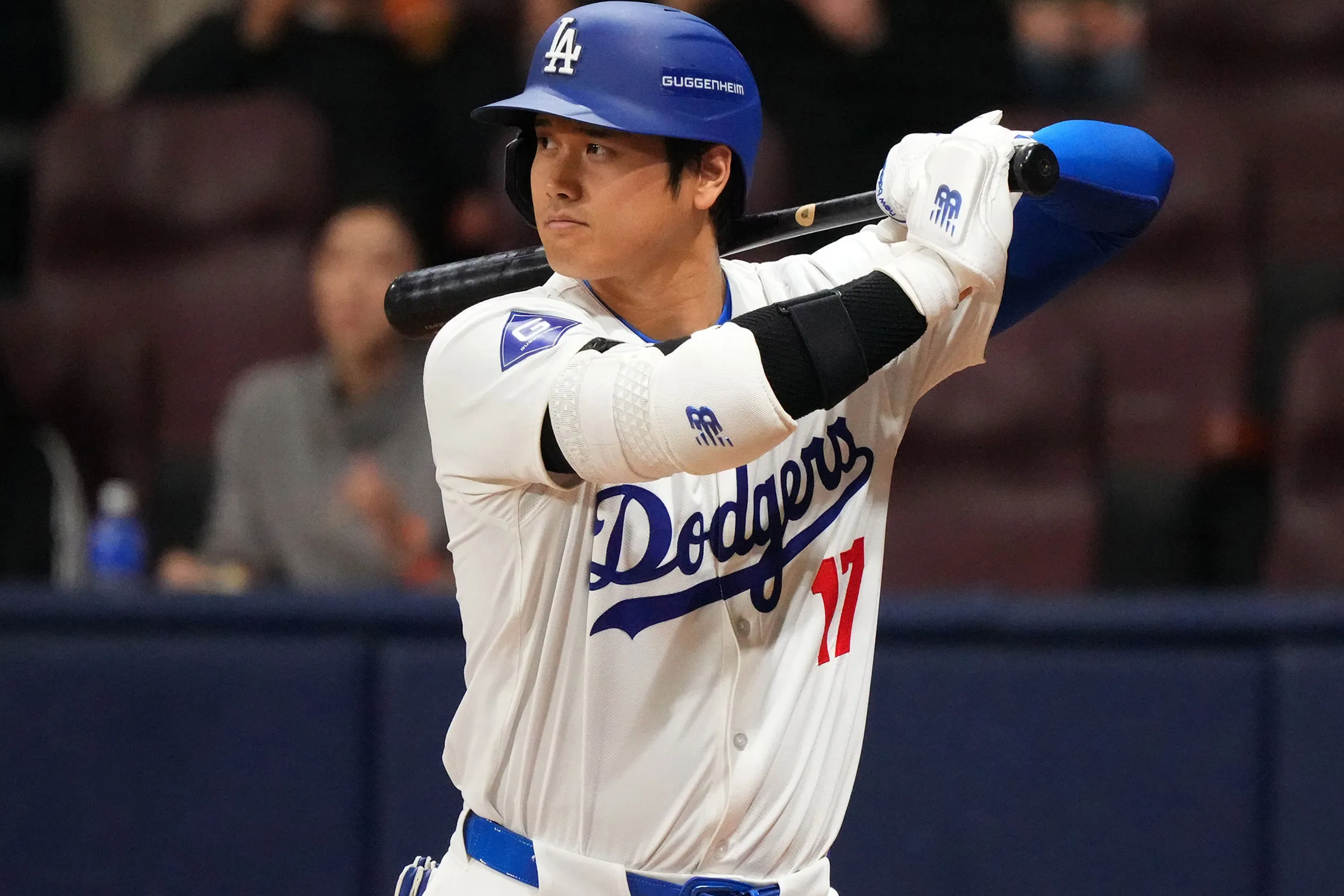
None of Ohtani's three 2026 trouble spots are, individually, an alarming diagnosis. That's actually the point, and it's also why they're worth treating as one story rather than three.
The knee. Draining fluid and injecting a lubricant is a treatment for joint irritation and swelling (synovitis), not for a torn ligament or meniscus; there is no indication in any reporting that Ohtani suffered a structural knee injury. The knee joint reacts to repeated impact and rotational load by producing excess fluid; for a pitcher, that load comes from the push off the mound and the deceleration of a full pitching delivery, hundreds of times a start.
The biceps. "Inflammation", the term the Dodgers used for the IL filing, describes an irritated tendon or muscle belly, not a strain or tear. The long head of the biceps tendon crosses the front of the shoulder and is one of the most common sites of overuse irritation in high-volume throwers, since it helps decelerate the arm after release. A right-handed thrower generating both a starter's pitch count and an everyday hitter's swing volume puts unusual cumulative stress through that structure.
The neck. Neck and upper-back tightness is frequently secondary rather than primary, a byproduct of altered mechanics elsewhere in the kinetic chain. A hitter or thrower quietly protecting a sore arm or a stiff knee often changes posture and swing mechanics in ways that load the neck and upper back differently, which is a plausible (if unconfirmed) explanation for why this symptom appeared alongside, rather than before, the other two.
The Treatment Decision: Rest, Not Surgery
This is where Ohtani's 2026 case looks nothing like his own medical history, or most of the profiles on this site. He has already had two elbow ligament reconstructions (2018 and September 2023, after tearing his UCL again pitching against the Reds) and arthroscopic surgery to repair a torn labrum in his left shoulder in November 2024, after subluxating it while stealing second base in Game 2 of that year's World Series. Both of those were structural repairs with long, staged rehabilitations.
None of the 2026 issues have required surgery. The plan has been conservative throughout: aspiration and viscosupplementation for the knee, full shutdown from pitching to remove that specific stress, and now two weeks of rest on the injured list for the biceps and neck. That is a meaningfully different, and less alarming, category of medical decision than anything else covered on this site.
Managing It: Phase by Phase
There is no standard "protocol" for a three-site overuse cluster in a two-way player; there is no other two-way player in the modern game to draw a protocol from. But the shape of the plan follows the same logic sports medicine uses for any overuse presentation: remove the aggravating load, let the tissue quiet down, and reintroduce load in stages rather than all at once.
Phase 1 · Weeks 0–2 (IL stint)
Load Removal
Full rest from throwing and swinging at competitive intensity, anti-inflammatory management, and treatment for the biceps and neck. The knee is already several weeks into its own recovery from the drain-and-inject procedure and continues to be monitored separately.
Phase 2 · Final week of IL eligibility
Progressive Reintegration
Batting practice and light throwing progress before a real game re-entry. For a hitter-only return (pitching is off the table for now), the bar is lower than a full two-way progression - mainly pain-free swinging mechanics and normal neck rotation.
Phase 3 · Activation (~Sept 23 target)
Return to the Lineup
Reinstatement as designated hitter for the final week of the regular season, most likely with reduced workload and no pitching, allowing the Dodgers to evaluate how the knee, biceps, and neck respond to game speed before the postseason.
Phase 4 · Postseason
Managed Workload
If all three issues hold up through activation, the expectation is a DH-only postseason role. Roberts has left open the possibility of Ohtani pitching in relief if time allows, but has been clear a starter's workload is not realistic this late in the year.
Phase 5 · Offseason
Full Reassessment
The real test comes after the season: full imaging and evaluation of the knee, biceps, and shoulder-adjacent structures to determine whether 2026's cluster was a one-off workload spike or the start of a pattern that needs to change how his two-way innings are managed in 2027.
Return-to-Play Timeline
Because this article is being written before the outcome is known, the timeline below is partly a projection rather than a completed record, a rarer thing for this site to publish, and worth reading with that caveat.
If the Dodgers' target date holds, Ohtani would be back for roughly the final week of the regular season, with the postseason, not those final regular-season games, the actual point of the whole exercise.
What the Research Says
The evidence base here is thinner than for the acute, single-structure injuries elsewhere on this site, mostly because there is no real population of two-way MLB players to study:
- Two-way workload data barely exists. Ohtani is, for practical purposes, a sample size of one at this level of usage. Most return-to-play and workload research is built around pitchers or position players, not someone accumulating both loads simultaneously, which limits how confidently any timeline here can be called "evidence-based" rather than "best clinical judgment."
- Viscosupplementation (lubricating knee injections) is well studied in osteoarthritis populations and shows modest, temporary symptom relief; its use in an otherwise structurally healthy elite athlete's knee is a symptom management tool, not a treatment aimed at fixing an underlying tear.
- Compensatory injury patterns…a new issue emerging near a previously injured or protected area…are well documented after major surgery, and are the same pattern this site discussed with Klay Thompson's sequential ACL and Achilles injuries. Ohtani's biceps and neck symptoms, arriving after a season of protecting a surgically repaired shoulder and elbow, fit that broader pattern even though no direct causal link has been confirmed.
The Verdict
By the standard of every other article on this site, Ohtani's 2026 situation is comparatively mild: no torn ligament, no ruptured tendon, no surgery. That's the headline, and it matters…this is a maintenance story, not a structural one.
But the more interesting read is what it signals rather than what it is. Ohtani is 32, two years removed from a second elbow reconstruction and less than two years removed from shoulder labrum surgery, and he is still trying to do a job…Cy Young–calibre pitching and MVP-caliber hitting in the same season…that no one has sustained deep into their thirties. A knee that won't settle, a biceps that won't calm down, and a neck that followed both are exactly the kind of low-grade signals a body sends before it asks for a real adjustment in workload, not just two weeks of rest.
The realistic prognosis for 2026 itself is good: a DH-only return in time for the postseason is well within reach on the current timeline. The more important prognosis, whether the two-way workload is sustainable in 2027 and beyond without a repeat of this exact pattern, won't be answerable until well after this season ends.